


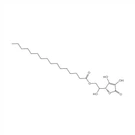

Hey there, fellow pet lovers and pet food manufacturers! Today, I want to dive into a topic that's been on my mind lately: Can Ascorbyl Palmitate (CAS NO. 137 - 66 - 6) be used in pet food products? As a supplier of Ascorbyl Palmitate, I've got a lot of insights to share, so let's get started.
First off, let's talk a bit about what Ascorbyl Palmitate is. It's an ester formed from ascorbic acid (vitamin C) and palmitic acid. This combination gives it some unique properties. Vitamin C is well - known for its antioxidant properties. It helps protect cells from damage caused by free radicals, which are unstable molecules that can cause all sorts of problems in the body, like aging and disease. But regular vitamin C can be a bit unstable, especially in the presence of heat, light, and oxygen. That's where Ascorbyl Palmitate comes in. The addition of the palmitic acid makes it more fat - soluble and stable compared to plain vitamin C.
Now, when it comes to pets, just like humans, they can benefit from antioxidants. Antioxidants play a crucial role in maintaining a healthy immune system. A strong immune system helps pets fight off infections, diseases, and other health issues. For example, older pets might have a weaker immune system, and the antioxidant properties of Ascorbyl Palmitate could help boost their overall health.
In pet food, Ascorbyl Palmitate can also act as a preservative. It helps prevent the oxidation of fats and oils in the food. Oxidation can lead to the development of off - flavors and odors, and it can also reduce the nutritional value of the food. By using Ascorbyl Palmitate, pet food manufacturers can ensure that the food stays fresh and tasty for longer periods.
But, is it safe for pets? The answer is yes. Ascorbyl Palmitate has been approved for use in food products, including pet food, by regulatory authorities. It's generally recognized as safe (GRAS). However, as with any ingredient, it's important to use it in the right amounts. Over - supplementation can sometimes lead to negative effects, although this is rare with Ascorbyl Palmitate.


Let's look at some of the specific benefits for different types of pets. For dogs, Ascorbyl Palmitate can help with joint health. As dogs age, they are prone to joint problems like arthritis. The antioxidant properties can help reduce inflammation in the joints, which can alleviate pain and improve mobility. In cats, it can support their skin and coat health. A healthy coat is not only aesthetically pleasing but also a sign of good overall health. The fat - soluble nature of Ascorbyl Palmitate allows it to be better absorbed in the body, which can contribute to a shiny and healthy coat.
When it comes to the manufacturing process of pet food, Ascorbyl Palmitate is relatively easy to work with. It can be added during the mixing stage of the pet food production. It dissolves well in fats and oils, which are common components of pet food. This makes it convenient for manufacturers to incorporate into their recipes.
Now, I also want to mention some of the other great products we offer. We also supply Pro - xylane;CAS NO.439685 - 79 - 7, which is mainly used in the cosmetic industry but has some interesting properties that could potentially be explored in pet care products. Pro - xylane is known for its ability to stimulate the production of glycosaminoglycans, which are important for maintaining the elasticity and hydration of the skin.
Another product we have is Gotu Kola P.E. (80% Triterpenes); CAS NO.: 16830 - 15 - 2. Gotu Kola has a long history of use in traditional medicine for its healing properties. In the context of pet food, it could potentially have benefits for wound healing and skin health.
And then there's Ceramides Mixture Ⅲ;CAS NO.100403 - 19 - 8. Ceramides are important components of the skin's barrier function. In pet food, they could help improve the skin's ability to retain moisture, which is especially important for pets with dry or itchy skin.
If you're a pet food manufacturer, you might be wondering how to incorporate Ascorbyl Palmitate into your products. The recommended dosage can vary depending on the type of pet food and the specific needs of the pets. It's always a good idea to consult with a veterinary nutritionist or a food technologist to determine the right amount.
In conclusion, Ascorbyl Palmitate is a great ingredient for pet food products. It offers antioxidant and preservative benefits, and it's safe for pets when used correctly. Whether you're looking to improve the health of pets, enhance the quality of your pet food, or extend its shelf - life, Ascorbyl Palmitate is a valuable addition to your recipe.
If you're interested in learning more about Ascorbyl Palmitate or any of our other products, don't hesitate to reach out. We're here to help you make the best decisions for your pet food products. We can provide samples, technical support, and all the information you need to make an informed choice.
References:
- "Handbook of Food Additives" by A. William and P. Fellows.
- "Veterinary Nutrition: Small Animal" by Linda P. Case, M. D. Daristotle, and K. A. Hayek.
- Regulatory documents from relevant food safety authorities.