


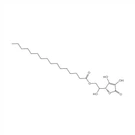

As a supplier of α - Arbutin (CAS NO.84380 - 01 - 8), I've been frequently asked whether this ingredient can be used in anti - aging products. In this blog, I'll delve into the scientific aspects of α - Arbutin and explore its potential in the anti - aging realm.
Understanding α - Arbutin
α - Arbutin is a well - known skin - lightening agent. It works by inhibiting the activity of tyrosinase, an enzyme that plays a crucial role in the production of melanin. By blocking tyrosinase, α - Arbutin can reduce the formation of dark spots, hyperpigmentation, and uneven skin tone, resulting in a brighter and more even complexion.
The chemical structure of α - Arbutin gives it several advantages over other tyrosinase inhibitors. It is more stable than its isomer, β - Arbutin, and has a higher affinity for tyrosinase. This means that it can be more effective at lower concentrations and is less likely to degrade over time, making it a popular choice in the cosmetic industry for skin - brightening products.


The Connection between Skin Pigmentation and Aging
To understand how α - Arbutin might contribute to anti - aging, we first need to examine the relationship between skin pigmentation and the aging process. As we age, our skin undergoes a series of changes, including the appearance of age spots, also known as liver spots or solar lentigines. These dark spots are caused by an overproduction of melanin in certain areas of the skin, often due to long - term sun exposure, hormonal changes, or genetic factors.
Age spots are not only a cosmetic concern but can also be a sign of skin damage. They are associated with the accumulation of free radicals, which can damage skin cells, collagen, and elastin fibers. This damage leads to a loss of skin elasticity, firmness, and the appearance of wrinkles. Therefore, addressing skin pigmentation issues can be an important part of an anti - aging skincare routine.
α - Arbutin's Potential Anti - Aging Benefits
- Reduction of Oxidative Stress
Although α - Arbutin is primarily known for its skin - lightening properties, recent studies have suggested that it may also have antioxidant effects. Oxidative stress, caused by an imbalance between free radicals and antioxidants in the body, is a major contributor to skin aging. Free radicals can damage cell membranes, DNA, and proteins, leading to premature aging signs such as wrinkles, fine lines, and sagging skin.
α - Arbutin has been shown to scavenge free radicals and protect skin cells from oxidative damage. By reducing oxidative stress, it may help to slow down the aging process and maintain the health and vitality of the skin. - Improvement of Skin Texture
Uneven skin tone, often accompanied by dark spots, can make the skin appear dull and aged. By lightening dark spots and evening out the skin tone, α - Arbutin can improve the overall appearance of the skin. A smoother, more even complexion can give the impression of younger - looking skin.
Moreover, some research indicates that α - Arbutin may also have a positive impact on skin hydration. Well - hydrated skin is plumper and more elastic, reducing the visibility of fine lines and wrinkles. - Synergy with Other Anti - Aging Ingredients
α - Arbutin can be combined with other anti - aging ingredients to enhance its effects. For example, it can be paired with antioxidants like Pterostilbene ; CAS NO.:537 - 42 - 8, which has been shown to have potent anti - aging and anti - inflammatory properties. Pterostilbene can further protect the skin from oxidative damage and promote collagen synthesis, while α - Arbutin addresses the pigmentation issues.
Another great combination is with Pro - xylane;CAS NO.439685 - 79 - 7 or Pro - Xylane Solution 30%;CAS NO.439685 - 79 - 7. Pro - xylane is known for its ability to stimulate the production of glycosaminoglycans, which are essential for maintaining skin hydration and elasticity. When used together with α - Arbutin, these ingredients can target multiple aspects of skin aging, from pigmentation to loss of firmness.
Incorporating α - Arbutin into Anti - Aging Products
When formulating anti - aging products with α - Arbutin, it's important to consider the concentration and stability of the ingredient. The optimal concentration of α - Arbutin in anti - aging products typically ranges from 2% to 5%. At this concentration, it can effectively reduce pigmentation while minimizing the risk of side effects.
It's also crucial to ensure that the product is formulated in a way that preserves the stability of α - Arbutin. This may involve using appropriate packaging, such as opaque containers, and avoiding exposure to light and heat. Additionally, the pH of the product should be carefully adjusted to maintain the activity of α - Arbutin.
Conclusion
In conclusion, while α - Arbutin is well - known for its skin - lightening properties, it also has significant potential in anti - aging products. Its ability to reduce skin pigmentation, combat oxidative stress, improve skin texture, and work synergistically with other anti - aging ingredients makes it a valuable addition to any anti - aging skincare routine.
If you're interested in incorporating α - Arbutin into your anti - aging product formulations, I invite you to contact me for more information. I can provide high - quality α - Arbutin and offer technical support to help you develop effective and innovative anti - aging products. Let's work together to bring the benefits of α - Arbutin to consumers and help them achieve healthier, younger - looking skin.
References
- Chang, H. - C., & Tsai, P. - J. (2001). Inhibitory effects of arbutin on the growth and melanogenesis of B16 melanoma cells. Journal of Agricultural and Food Chemistry, 49(11), 5237 - 5240.
- Kamei, H., & Ohguchi, K. (2001). Inhibitory effect of arbutin on tyrosinase activity and melanogenesis. Journal of Pharmacy and Pharmacology, 53(1), 105 - 110.
- Ma, Q., & Liu, Y. (2015). Advances in research on the anti - aging mechanism of natural antioxidants. Chinese Journal of Gerontology, 35(12), 3474 - 3477.
- Wang, X., & Zhang, Y. (2018). The role of oxidative stress in skin aging and the protective effects of antioxidants. Journal of Dermatological Science, 91(1), 1 - 8.