



Hey there! As a supplier of cosmetic raw materials, I'm super stoked to dive into the world of powder foundations with you. In this blog, we're gonna break down the key raw materials that go into making those awesome powder foundations we all love.
1. Pigments
Pigments are the heart and soul of powder foundations. They're what give the foundation its color and help it match different skin tones. There are two main types of pigments used in powder foundations: inorganic and organic.
Inorganic pigments, like titanium dioxide and zinc oxide, are super popular. Titanium dioxide is a white pigment that's known for its excellent covering power and ability to reflect light. It also has some sun - protecting properties, which is a bonus. Zinc oxide is another great option. It's gentle on the skin, has anti - inflammatory properties, and is also used in sunscreens. These inorganic pigments are stable and don't break down easily when exposed to light or heat.
Organic pigments, on the other hand, are more vibrant and can create a wider range of colors. They're made from carbon - based compounds and are often used to add pops of color or to create more natural - looking skin tones. But they might not be as stable as inorganic pigments over time.
2. Fillers
Fillers play a crucial role in powder foundations. They help to give the foundation its texture, spreadability, and adhesion to the skin. One of the most common fillers is talc. Talc is a soft mineral that gives the powder a smooth and silky feel. It also helps to absorb oil from the skin, which is great for people with oily skin. However, there have been some concerns about the safety of talc in the past, so many cosmetic companies are now looking for alternative fillers.
Another popular filler is mica. Mica is a mineral that has a shiny and reflective quality. It gives the powder foundation a subtle glow and helps to smooth out the appearance of the skin. It also has good adhesion properties, which means the foundation stays on the skin for longer.
Silica is also widely used as a filler. It's a fine powder that can absorb oil and moisture, making the foundation long - lasting and reducing the appearance of shine. Silica also helps to improve the flowability of the powder, making it easier to apply.
3. Binders
Binders are used to hold all the ingredients in the powder foundation together. They ensure that the powder doesn't crumble or fall apart when you're using it. One common binder is magnesium stearate. It's a white powder that helps to lubricate the ingredients and prevent them from sticking to the manufacturing equipment. Magnesium stearate also has some anti - caking properties, which means the powder stays free - flowing.
Another binder is hydrogenated vegetable oil. It's a natural binder that can help to give the powder foundation a more creamy and smooth texture. It also helps to improve the adhesion of the powder to the skin.
4. Emollients
Emollients are added to powder foundations to keep the skin hydrated and prevent it from drying out. They help to make the foundation feel more comfortable on the skin and can also improve its spreadability.
Mineral oil is a well - known emollient. It's a clear and odorless oil that forms a protective barrier on the skin, preventing moisture from evaporating. However, some people might find it a bit heavy or greasy, so there are other options available.
Jojoba oil is a natural emollient that's very similar to the sebum produced by our skin. It's lightweight, non - greasy, and easily absorbed by the skin. Jojoba oil also has some anti - inflammatory and antibacterial properties, which can be beneficial for the skin.
Shea butter is another great emollient. It's rich in vitamins A and E and has excellent moisturizing properties. Shea butter can help to soothe and nourish the skin, making it a great addition to powder foundations, especially for people with dry or sensitive skin.
5. Preservatives
Preservatives are essential in powder foundations to prevent the growth of bacteria, fungi, and other microorganisms. They help to extend the shelf - life of the product and keep it safe for use.
One common preservative is parabens. Parabens are effective at preventing the growth of microorganisms, but there have been some concerns about their safety in recent years. Many cosmetic companies are now looking for alternative preservatives.
Phenoxyethanol is a popular alternative to parabens. It's a mild and effective preservative that's less likely to cause skin irritation. It's also soluble in water, which makes it easy to incorporate into the powder foundation formula.
6. Active Ingredients
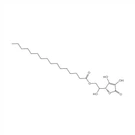
Some powder foundations also contain active ingredients that offer additional benefits to the skin. For example, Ascorbyl Tetraisopalmitate (VCIP); CAS NO.: 183476 - 82 - 6 is a form of vitamin C. Vitamin C is a powerful antioxidant that can help to brighten the skin, reduce the appearance of dark spots, and protect the skin from free - radical damage.
Tranexamic Acid;CAS NO.1197 - 18 - 8 is another active ingredient that can be added to powder foundations. It's known for its ability to reduce the appearance of redness and uneven skin tone.


Ceramides Mixture Ⅲ;CAS NO.100403 - 19 - 8 is important for maintaining the skin's barrier function. It helps to keep the skin hydrated, prevent moisture loss, and protect the skin from external irritants.
Conclusion
So, there you have it! These are the main raw materials that go into making powder foundations. Each ingredient plays a specific role in creating a high - quality, effective, and safe product. As a cosmetic raw materials supplier, I'm always on the lookout for the latest and greatest ingredients to offer to my customers.
If you're in the business of making powder foundations or any other cosmetic products, and you're looking for high - quality raw materials, I'd love to have a chat with you. Whether you need pigments, fillers, binders, or any other ingredients, I've got you covered. Just reach out, and we can start discussing your specific needs.
References
- Cosmetic Chemistry textbooks
- Industry research reports on cosmetic raw materials
- Scientific studies on the properties and uses of various cosmetic ingredients