

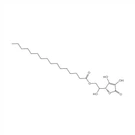


Hey there! As a supplier of Ascorbyl Glucoside (CAS NO. 129499 - 78 - 1), I often get asked how it stacks up against ascorbic acid. Let's dive right into it and break down the differences and similarities between these two substances to see which one might be better for different needs.
Stability
One of the most significant differences between Ascorbyl Glucoside and ascorbic acid is their stability. Ascorbic acid, also known as vitamin C, is a very effective antioxidant. However, it's extremely unstable when exposed to air, light, and water. This means that in cosmetic or dietary supplement formulations, ascorbic acid can quickly degrade, losing its potency and effectiveness. You might have noticed products containing ascorbic acid turning yellow or brown over time - that's a sign of degradation.
On the other hand, Ascorbyl Glucoside is a much more stable form of vitamin C. It's a derivative of ascorbic acid, where a glucose molecule is attached to it. This modification makes it resistant to oxidation, so it can remain stable in products for much longer periods. Whether it's sitting on a store shelf or in your bathroom cabinet, Ascorbyl Glucoside is less likely to break down, ensuring that you get the full benefits every time you use it. This stability is a huge advantage, especially for manufacturers who need their products to have a long shelf - life.
Skin Penetration
When it comes to skincare, how well a substance can penetrate the skin is crucial. Ascorbic acid has some limitations in this area. Its relatively large molecular size and hydrophilic nature make it difficult for it to pass through the skin's lipid - rich barrier. This means that a significant portion of the ascorbic acid applied to the skin may not actually reach the deeper layers where it can have the most impact.
Ascorbyl Glucoside, however, has better skin penetration capabilities. Its structure allows it to more easily cross the skin barrier. Once it's inside the skin cells, it can be hydrolyzed into ascorbic acid and glucose. This means that it can deliver the benefits of ascorbic acid directly to the areas where it's needed most, such as the dermis, where it can help with collagen synthesis and skin repair.
Irritation Potential
Ascorbic acid can be quite irritating to some people, especially those with sensitive skin. The low pH of ascorbic acid solutions (usually around 3 - 4) can cause redness, itching, and a stinging sensation when applied to the skin. This can limit its use in certain populations or in high - concentration formulations.
In contrast, Ascorbyl Glucoside is much gentler on the skin. It has a neutral pH, which means it's less likely to cause irritation. This makes it a great option for those with sensitive skin who still want to reap the benefits of vitamin C. You can use products containing Ascorbyl Glucoside without having to worry about that uncomfortable burning or itching feeling.
Efficacy in Different Applications
Skincare
In skincare, both Ascorbyl Glucoside and ascorbic acid have antioxidant properties, which are essential for protecting the skin from free radicals. Free radicals are unstable molecules that can damage skin cells, leading to premature aging, wrinkles, and dark spots.
Ascorbic acid is well - known for its ability to brighten the skin, reduce the appearance of hyperpigmentation, and stimulate collagen production. However, due to its stability and irritation issues, its effectiveness can be limited in some products.
Ascorbyl Glucoside can also achieve similar results. It can help to even out skin tone, fade dark spots, and improve skin elasticity. Because of its stability and better skin penetration, it may be more effective in long - term skincare products. For example, a serum containing Ascorbyl Glucoside can be used regularly without the risk of degradation, providing consistent antioxidant protection and skin - improving benefits.


Dietary Supplements
In dietary supplements, ascorbic acid is the most common form of vitamin C used. It's easily absorbed in the digestive system and is an essential nutrient for many bodily functions, including immune system support, iron absorption, and collagen synthesis.
Ascorbyl Glucoside can also be used in dietary supplements. Its stability means that it's less likely to break down during storage or digestion. This can ensure that a higher percentage of the vitamin C reaches the bloodstream and is available for the body to use. However, it's important to note that more research is needed on the bioavailability and long - term effects of Ascorbyl Glucoside in dietary supplement form compared to ascorbic acid.
Other Related Cosmetic Raw Materials
If you're interested in other cosmetic raw materials, here are some options worth checking out. Ascorbyl Palmitate; CAS NO.137 - 66 - 6 is another stable form of vitamin C that is often used in cosmetics. It has similar antioxidant properties to ascorbic acid and Ascorbyl Glucoside but is more lipophilic, which means it can be better incorporated into oil - based products.
Hydroxypinacolone Retinoate ; CAS NO.: 893412 - 73 - 2 is a type of retinoid that is less irritating than traditional retinol. It can help with skin cell turnover, reduce the appearance of wrinkles, and improve skin texture.
Pro - Xylane Solution 30%;CAS NO.439685 - 79 - 7 is a unique ingredient that can help to improve skin hydration and elasticity. It works by stimulating the production of glycosaminoglycans in the skin, which are essential for maintaining skin moisture and firmness.
Gotu Kola P.E.(80% Triterpenes) ; CAS NO.: 16830 - 15 - 2 has anti - inflammatory and wound - healing properties. It can be used in skincare products to soothe irritated skin and promote skin repair.
Prunin; CAS NO.529 - 55 - 5 is an antioxidant that can help to protect the skin from environmental damage and has potential anti - aging benefits.
Conclusion
So, in summary, while ascorbic acid is a powerful antioxidant with well - established benefits, Ascorbyl Glucoside offers several advantages in terms of stability, skin penetration, and irritation potential. Depending on your specific needs, whether it's formulating skincare products or dietary supplements, Ascorbyl Glucoside could be a great option.
If you're interested in learning more about Ascorbyl Glucoside or have any questions about sourcing high - quality products, feel free to reach out. We're here to help you find the best solutions for your needs.
References
- Traber MG, Stevens JF. Vitamin C. In: Shils ME, Shike M, Ross AC, Caballero B, Cousins RJ, eds. Modern Nutrition in Health and Disease. 10th ed. Lippincott Williams & Wilkins; 2006:393 - 407.
- Humbert P, Prawer S, Black PN, et al. Topical vitamin C and the skin: mechanisms of action and clinical applications. J Drugs Dermatol. 2008;7(10):973 - 978.
- Choi YJ, Lee YS, Ko SR, et al. Stability and skin penetration of vitamin C derivatives. Int J Cosmet Sci. 2002;24(5):287 - 292.