


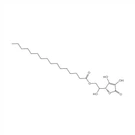

Ascorbyl Palmitate (CAS NO.137-66-6) is a well - known antioxidant that's been making waves in various industries. As a supplier of Ascorbyl Palmitate, I've seen firsthand how this compound is crucial. So, let's dig into how it acts as an antioxidant.
What is Ascorbyl Palmitate?
First off, Ascorbyl Palmitate is basically a fat - soluble form of vitamin C. It's made by combining ascorbic acid (vitamin C) with palmitic acid. This combination gives it some unique properties. Unlike regular vitamin C, which is water - soluble, Ascorbyl Palmitate can dissolve in fats. This is super important because it allows it to work in different environments, like in oils and fats.
The Antioxidant Mechanism
Free Radical Scavenging
One of the main ways Ascorbyl Palmitate acts as an antioxidant is by scavenging free radicals. Free radicals are unstable molecules that can cause a lot of damage in our bodies and in products. They're produced naturally in our cells during normal metabolic processes, but external factors like pollution, UV radiation, and smoking can also increase their production.
Ascorbyl Palmitate has an extra electron that it can donate to these free radicals. When it donates this electron, the free radical becomes stable, and the chain reaction of damage that free radicals usually cause is stopped. For example, in the human body, free radicals can damage cell membranes, proteins, and DNA. By neutralizing these free radicals, Ascorbyl Palmitate helps protect our cells from oxidative stress.
In the cosmetic industry, free radicals can cause products to go bad. They can make oils in creams and lotions turn rancid, change the color of the product, and reduce its effectiveness. Ascorbyl Palmitate can prevent these changes by neutralizing free radicals, which extends the shelf - life of cosmetic products.
Regeneration of Other Antioxidants
Another cool thing about Ascorbyl Palmitate is that it can regenerate other antioxidants. For instance, it can help regenerate vitamin E. Vitamin E is also a powerful antioxidant, but once it donates an electron to a free radical, it becomes oxidized. Ascorbyl Palmitate can then donate an electron to the oxidized vitamin E, turning it back into its active form. This means that Ascorbyl Palmitate can enhance the overall antioxidant capacity of a system by working together with other antioxidants.
Applications in Different Industries
Food Industry
In the food industry, Ascorbyl Palmitate is widely used. It can prevent the oxidation of fats and oils in food products. When fats and oils oxidize, they develop off - flavors and odors, and they can also produce harmful compounds. For example, in fried foods, Ascorbyl Palmitate can be added to the cooking oil to prevent it from going rancid during frying and storage. This not only improves the taste and quality of the food but also makes it safer to eat.
Cosmetic Industry
As I mentioned earlier, Ascorbyl Palmitate is a game - changer in the cosmetic industry. It can be used in a variety of products, such as moisturizers, serums, and sunscreens. In moisturizers, it helps keep the product fresh and effective. In serums, it can penetrate the skin easily because of its fat - soluble nature. It can then protect the skin from free radical damage caused by UV rays and pollution.
Some other popular cosmetic raw materials also work well with Ascorbyl Palmitate. For example, Pro - Xylane Solution 30%;CAS NO.439685 - 79 - 7 and Pro - xylane;CAS NO.439685 - 79 - 7 are known for their anti - aging properties. When combined with Ascorbyl Palmitate, they can provide a more comprehensive protection for the skin. And Hesperetin 7 - O - glucoside;CAS NO.31712 - 49 - 9 also has antioxidant properties, and together with Ascorbyl Palmitate, they can form a powerful antioxidant blend.
Pharmaceutical Industry
In the pharmaceutical industry, Ascorbyl Palmitate can be used in medications to prevent the oxidation of active ingredients. Many drugs are sensitive to oxidation, and Ascorbyl Palmitate can help maintain their stability. This ensures that the medication remains effective throughout its shelf - life.


Quality and Supply
As a supplier, I understand the importance of providing high - quality Ascorbyl Palmitate. We make sure that our product meets all the necessary quality standards. The production process is carefully monitored to ensure purity and effectiveness.
If you're in the food, cosmetic, or pharmaceutical industry and are looking for a reliable source of Ascorbyl Palmitate, we're here for you. We can offer different quantities to meet your specific needs. Whether you're a small - scale producer or a large - scale manufacturer, we can work with you.
Conclusion
Ascorbyl Palmitate is an amazing antioxidant with a wide range of applications. Its ability to scavenge free radicals, regenerate other antioxidants, and work in different environments makes it a valuable ingredient in many industries. If you're interested in incorporating Ascorbyl Palmitate into your products, don't hesitate to reach out. We're ready to discuss your requirements and help you find the best solution for your business.
References
- Halliwell, B., & Gutteridge, J. M. C. (2015). Free Radicals in Biology and Medicine. Oxford University Press.
- Bors, W., Heller, W., Michel, C., & Saran, M. (1990). Antioxidants in vitro. Free Radical Biology & Medicine, 8(1), 307 - 315.
- Packer, L., Fuchs, J., & Tritschler, H. J. (1995). Antioxidant functions of ascorbic acid and its fatty acid esters. Free Radical Biology & Medicine, 19(3), 481 - 493.