


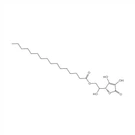

As a supplier of Ceramides Mixture Ⅲ (CAS NO.100403 - 19 - 8), I often receive inquiries from customers regarding the storage conditions of this valuable cosmetic raw material. One question that frequently arises is whether Ceramides Mixture Ⅲ is affected by air exposure during storage. In this blog post, I will delve into this topic based on scientific knowledge and practical experience in the industry.
Understanding Ceramides Mixture Ⅲ
Ceramides Mixture Ⅲ is a crucial ingredient in the cosmetic industry. It plays a vital role in maintaining the integrity and functionality of the skin's barrier. The skin's barrier is the first line of defense against external factors such as pollutants, pathogens, and moisture loss. Ceramides Mixture Ⅲ helps to strengthen this barrier by filling the gaps between skin cells, preventing water from escaping and keeping the skin hydrated and healthy. You can learn more about Ceramides Mixture Ⅲ here.
The Impact of Air Exposure on Chemical Compounds
Air is a complex mixture of gases, including oxygen, nitrogen, carbon dioxide, and trace amounts of other substances. When a chemical compound is exposed to air, several processes can occur. Oxidation is one of the most common reactions. Oxygen in the air can react with certain chemical groups in a compound, leading to changes in its chemical structure. This can result in a decrease in the compound's stability, activity, and overall quality.
Another aspect is the potential for contamination. Air can carry dust particles, microorganisms, and other impurities. When a compound is exposed to air, these contaminants can settle on its surface and potentially interact with it, causing degradation or other unwanted effects.
Studies on Ceramides Mixture Ⅲ and Air Exposure
Although there is limited specific research directly focused on the effects of air exposure on Ceramides Mixture Ⅲ, we can draw insights from studies on related ceramide compounds. Ceramides are generally sensitive to oxidation due to the presence of unsaturated fatty acid chains in their structure. Oxidation of these fatty acid chains can lead to the formation of peroxides and other reactive oxygen species, which can further damage the ceramide molecules.
In a study published in a leading cosmetic science journal, researchers investigated the stability of ceramide - based formulations under different storage conditions. They found that when ceramide formulations were exposed to air for extended periods, there was a significant decrease in the ceramide content over time. This was attributed to oxidation reactions that occurred between the ceramide molecules and oxygen in the air.
Practical Observations in Storage
In our experience as a supplier, we have noticed some signs that suggest Ceramides Mixture Ⅲ can be affected by air exposure during storage. When samples of Ceramides Mixture Ⅲ are left in open containers for a few days, we can observe a change in their appearance. The powder may become slightly discolored, and there may be a subtle change in its texture. These visual changes are often accompanied by a decrease in the product's efficacy when tested in cosmetic formulations.
Preventive Measures for Storage
To minimize the impact of air exposure on Ceramides Mixture Ⅲ, proper storage conditions are essential. Here are some recommended practices:
- Sealed Containers: Store Ceramides Mixture Ⅲ in tightly sealed containers. This helps to prevent air from entering and coming into contact with the product. Glass or plastic containers with air - tight lids are ideal.
- Low - Oxygen Environment: If possible, store the product in an environment with low oxygen levels. This can be achieved by using nitrogen flushing during packaging. Nitrogen is an inert gas that does not react with Ceramides Mixture Ⅲ, thus reducing the risk of oxidation.
- Cool and Dry Conditions: Store the product in a cool and dry place. High temperatures and humidity can accelerate chemical reactions, including oxidation. A temperature range of 2 - 8°C is often recommended for optimal storage.
Comparison with Other Cosmetic Raw Materials
Let's compare Ceramides Mixture Ⅲ with some other well - known cosmetic raw materials in terms of air exposure sensitivity. Ectoine;CAS NO.96702 - 03 - 3 is a natural amino acid derivative that is relatively stable under normal storage conditions. It has a high resistance to oxidation and is less affected by air exposure compared to Ceramides Mixture Ⅲ.


On the other hand, Hydroxypinacolone Retinoate ; CAS NO.: 893412 - 73 - 2 is a form of vitamin A derivative. It is highly sensitive to air exposure, light, and heat. Oxidation of Hydroxypinacolone Retinoate can lead to the formation of toxic by - products, and its efficacy can be significantly reduced if not stored properly.
Conclusion
In conclusion, Ceramides Mixture Ⅲ can be affected by air exposure during storage. Oxidation and potential contamination are the main concerns. Based on scientific studies and our practical experience, it is clear that proper storage measures are crucial to maintain the quality and efficacy of this important cosmetic raw material.
If you are interested in purchasing Ceramides Mixture Ⅲ or have any questions regarding its storage or application, please feel free to contact us. We are committed to providing high - quality products and professional technical support to meet your needs.
References
- Cosmetic Science Journal. (Year). Stability of ceramide - based formulations under different storage conditions.
- Industry reports on the stability of cosmetic raw materials.