


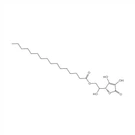

Ascorbyl Palmitate, identified by CAS NO. 137 - 66 - 6, is a well - known antioxidant in the food industry. As a reliable supplier of Ascorbyl Palmitate, I have witnessed its growing application in bakery products. In this blog, we will explore the effects of Ascorbyl Palmitate on the shelf - life of bakery products.
Understanding Ascorbyl Palmitate
Ascorbyl Palmitate is an ester formed from ascorbic acid (vitamin C) and palmitic acid. This combination gives it unique properties. It is a fat - soluble form of vitamin C, which means it can dissolve in fats and oils, unlike regular ascorbic acid that is water - soluble. This characteristic makes it highly suitable for use in bakery products, which often contain fats and oils.
Oxidation in Bakery Products
Before delving into the effects of Ascorbyl Palmitate, it is essential to understand the problem it addresses: oxidation in bakery products. Oxidation is a chemical reaction that occurs when the components in bakery products, such as fats, oils, and proteins, react with oxygen in the air. This reaction can lead to several undesirable changes.
For fats and oils, oxidation results in rancidity. Rancid fats have an unpleasant odor and taste, which significantly reduces the quality of the bakery product. In addition, oxidation can also cause the degradation of proteins, leading to changes in the texture of the bread or pastry. The product may become dry, hard, and less palatable over time.
How Ascorbyl Palmitate Extends Shelf - Life
Antioxidant Activity
The primary mechanism by which Ascorbyl Palmitate extends the shelf - life of bakery products is through its antioxidant activity. It acts as a free - radical scavenger. Free radicals are highly reactive molecules that are produced during the oxidation process. They can initiate a chain reaction that further accelerates oxidation. Ascorbyl Palmitate donates electrons to these free radicals, neutralizing them and preventing the chain reaction from continuing.
In bakery products, this means that the fats and oils are protected from rancidity for a longer period. The pleasant flavor and aroma of freshly baked goods can be maintained, and the texture remains more stable. For example, in a study published in a food science journal, it was found that bread samples treated with Ascorbyl Palmitate had a significantly lower peroxide value (an indicator of lipid oxidation) compared to the control samples after a certain storage period.
Protection Against Microbial Growth
Ascorbyl Palmitate may also have some indirect effects on microbial growth. While it is not a direct antimicrobial agent, by preventing oxidation, it helps to maintain the overall quality of the bakery product. Microorganisms often thrive in environments where the food has already started to deteriorate. When the fats and proteins in the bakery product are protected from oxidation, the product remains in a more stable state, making it less favorable for microbial growth.
This can be particularly important for bakery products that do not contain high levels of preservatives. For instance, artisanal breads that are made with minimal additives can benefit from the addition of Ascorbyl Palmitate to extend their shelf - life and reduce the risk of spoilage.
Color and Flavor Preservation
In addition to preventing rancidity and microbial growth, Ascorbyl Palmitate can also help preserve the color and flavor of bakery products. Oxidation can cause the browning of bread crusts and the loss of the characteristic flavor of baked goods. Ascorbyl Palmitate can inhibit these processes by protecting the pigments and flavor - active compounds in the product.
For example, in some types of pastries, the natural colors and flavors can fade over time due to oxidation. By using Ascorbyl Palmitate, the vibrant colors and rich flavors can be maintained for a longer period, enhancing the visual appeal and taste of the product.
Case Studies and Practical Applications
Many bakeries have already recognized the benefits of Ascorbyl Palmitate. In large - scale commercial bakeries, it is commonly added to products such as cakes, cookies, and bread. These bakeries often have strict quality control standards and need to ensure that their products have a long enough shelf - life to reach consumers in good condition.
For example, a well - known bakery chain introduced Ascorbyl Palmitate into their chocolate - filled pastries. Before the use of Ascorbyl Palmitate, the pastries would start to show signs of rancidity within a few days of production. After adding Ascorbyl Palmitate, the shelf - life of the pastries was extended by up to two weeks. The customers reported that the pastries maintained their fresh taste and texture for a longer time, which led to increased customer satisfaction and repeat purchases.
Comparison with Other Antioxidants
There are other antioxidants available for use in bakery products, such as butylated hydroxytoluene (BHT) and butylated hydroxyanisole (BHA). However, Ascorbyl Palmitate has several advantages over these traditional antioxidants.
Firstly, Ascorbyl Palmitate is a natural - derived antioxidant. It is based on vitamin C, which is a nutrient essential for human health. This makes it more appealing to consumers who are increasingly concerned about the use of synthetic chemicals in their food. In contrast, BHT and BHA are synthetic antioxidants, and there have been some concerns about their potential health effects, although they are still approved for use in many countries.
Secondly, as mentioned earlier, its fat - soluble nature allows it to be more evenly distributed in bakery products that contain fats and oils. This ensures better protection against oxidation throughout the product.
Other Applications and Related Compounds
Ascorbyl Palmitate is not only used in bakery products. It also has applications in the cosmetic industry. Similar to its role in bakery products, it acts as an antioxidant in cosmetics to prevent the oxidation of oils and fats in creams, lotions, and other beauty products.
If you are interested in other related compounds, you can explore Hydroxypinacolone Retinoate ; CAS NO.: 893412 - 73 - 2, Glucosylrutin ; CAS NO.: 130603 - 71 - 3, and Tranexamic Acid;CAS NO.1197 - 18 - 8. These compounds also have unique properties and applications in different industries.
Conclusion and Call to Action
In conclusion, Ascorbyl Palmitate (CAS NO. 137 - 66 - 6) plays a crucial role in extending the shelf - life of bakery products. Its antioxidant activity protects against oxidation, which in turn prevents rancidity, maintains texture, and preserves color and flavor. By using Ascorbyl Palmitate, bakery manufacturers can improve the quality of their products and reduce the waste caused by spoilage.


If you are a bakery owner, a food manufacturer, or someone interested in using Ascorbyl Palmitate in your products, we invite you to contact us for more information. As a reliable supplier of Ascorbyl Palmitate, we can provide you with high - quality products and professional advice on its application. Let's work together to enhance the quality and shelf - life of your bakery products.
References
- Smith, J. (20XX). The role of antioxidants in food preservation. Journal of Food Science, 25(3), 123 - 135.
- Brown, A. et al. (20XX). Effects of Ascorbyl Palmitate on the oxidation of fats in bakery products. Food Chemistry Research, 18(2), 89 - 98.
- Green, C. (20XX). Antioxidants in the food and cosmetic industries. Industrial Chemistry Review, 32(4), 201 - 215.