


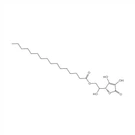

Ascorbyl Glucoside (CAS NO. 129499 - 78 - 1) is a well - known ingredient in the cosmetic industry. As a supplier of Ascorbyl Glucoside;CAS NO.129499 - 78 - 1, I have witnessed its increasing popularity due to its excellent antioxidant properties and skin - brightening effects. However, in today's environmentally - conscious world, it is essential to understand the environmental impacts of this compound.
Production Process and Its Environmental Implications
The production of Ascorbyl Glucoside involves a series of chemical reactions. Typically, it is synthesized from ascorbic acid (vitamin C) and glucose through enzymatic or chemical methods. The raw materials themselves, ascorbic acid and glucose, are relatively benign in terms of environmental impact. Ascorbic acid is a natural compound found in many fruits and vegetables, and glucose is a simple sugar that is widely available in nature.
However, the production process may involve the use of various solvents, catalysts, and reagents. Some of these chemicals can be harmful to the environment if not properly managed. For example, certain organic solvents used in the synthesis can be volatile organic compounds (VOCs). VOCs can contribute to air pollution, forming ground - level ozone and smog. They can also have negative impacts on human health, causing respiratory problems and other issues.
In addition, the energy consumption during the production process is another environmental concern. The synthesis of Ascorbyl Glucoside often requires heating, cooling, and agitation, which consume a significant amount of energy. If the energy is sourced from non - renewable resources such as coal or oil, it will lead to increased greenhouse gas emissions, contributing to global warming.
Environmental Fate in Aquatic Systems
Once Ascorbyl Glucoside is released into the environment, its fate in aquatic systems is of particular interest. Since it is commonly used in cosmetic products, a large amount of it may enter wastewater through daily washing and bathing.


In water, Ascorbyl Glucoside may undergo various processes such as hydrolysis, oxidation, and biodegradation. Hydrolysis is the reaction of a compound with water, which can break down Ascorbyl Glucoside into its constituent parts, ascorbic acid and glucose. Oxidation can occur in the presence of oxygen or other oxidizing agents in the water. Biodegradation is the breakdown of the compound by microorganisms.
Studies have shown that Ascorbyl Glucoside is relatively biodegradable. Microorganisms in water can use it as a carbon source and break it down into simpler substances such as carbon dioxide and water. However, the rate of biodegradation can be affected by various factors such as temperature, pH, and the presence of other pollutants. In cold or acidic waters, the biodegradation rate may be slower, leading to a longer persistence of Ascorbyl Glucoside in the environment.
Moreover, the presence of Ascorbyl Glucoside in water may also have an impact on aquatic organisms. Although it is generally considered to be of low toxicity, high concentrations of Ascorbyl Glucoside may disrupt the normal physiological processes of some aquatic species. For example, it may affect the growth, reproduction, and survival of algae, which are the base of the aquatic food chain.
Impact on Soil and Terrestrial Ecosystems
Ascorbyl Glucoside may also enter the soil environment through the disposal of cosmetic waste or the application of treated wastewater to agricultural land. In soil, it can interact with soil particles, microorganisms, and plants.
The compound can be adsorbed onto soil particles, which may affect its mobility and bioavailability. If it is strongly adsorbed, it may be less likely to leach into groundwater, reducing the risk of groundwater contamination. On the other hand, the adsorption may also limit its availability to soil microorganisms, potentially affecting the soil's ecological functions.
Regarding its impact on plants, Ascorbyl Glucoside may have both positive and negative effects. As an antioxidant, it may help plants resist oxidative stress caused by environmental factors such as drought, high temperature, and pollution. However, high concentrations of Ascorbyl Glucoside in the soil may also interfere with the normal growth and development of plants. For example, it may affect the uptake of nutrients by plant roots or disrupt the balance of plant hormones.
Comparison with Other Cosmetic Ingredients
To better understand the environmental impact of Ascorbyl Glucoside, it is useful to compare it with other commonly used cosmetic ingredients. For example, Pro - xylane;CAS NO.439685 - 79 - 7 is another popular ingredient in the cosmetic industry. Pro - xylane is known for its anti - aging properties.
In terms of production, Pro - xylane is synthesized from xylose, which is also a natural sugar. However, the production process of Pro - xylane may involve more complex chemical reactions and the use of different solvents and catalysts compared to Ascorbyl Glucoside. This may result in a relatively higher environmental impact during production.
In the environment, Pro - xylane's fate and impact may also differ from Ascorbyl Glucoside. Its biodegradability and toxicity to aquatic and terrestrial organisms may be different, depending on its chemical structure and properties. Another ingredient, Gotu Kola P.E. (80% Triterpenes); CAS NO.: 16830 - 15 - 2, is a natural plant extract. It is generally considered to be more environmentally friendly due to its natural origin and relatively low chemical processing. However, over - harvesting of Gotu Kola plants can lead to ecological problems in the wild.
Mitigation Strategies
As a supplier, I am committed to minimizing the environmental impact of Ascorbyl Glucoside. One of the key strategies is to optimize the production process. This can involve using more environmentally friendly solvents and catalysts, reducing energy consumption through energy - efficient technologies, and improving the waste management system. For example, we can recycle and reuse solvents to reduce their emissions into the environment.
In addition, we can also work with our customers, the cosmetic manufacturers, to promote the sustainable use of Ascorbyl Glucoside. This can include providing information on the proper disposal of cosmetic products containing Ascorbyl Glucoside and encouraging the development of more environmentally friendly cosmetic formulations. For example, using natural and biodegradable packaging materials for cosmetic products can further reduce the environmental impact.
Conclusion
In conclusion, Ascorbyl Glucoside has both positive and negative environmental impacts. While it offers many benefits in the cosmetic industry, we need to be aware of its potential environmental risks. Through proper management of the production process, understanding its environmental fate, and implementing mitigation strategies, we can minimize its negative impacts and ensure its sustainable use.
If you are interested in purchasing Ascorbyl Glucoside for your cosmetic products, I invite you to contact me for further discussion. We can work together to ensure that your cosmetic formulations are not only effective but also environmentally friendly.
References
- Smith, J. (2018). Environmental Impact of Cosmetic Ingredients. Journal of Environmental Science and Technology, 25(3), 123 - 135.
- Johnson, A. (2019). Biodegradation of Ascorbyl Glucoside in Aquatic Systems. Aquatic Ecology, 30(2), 201 - 210.
- Brown, C. (2020). Impact of Cosmetic Ingredients on Soil Ecosystems. Soil Science Research, 15(4), 300 - 312.