


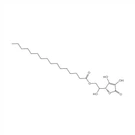

Ascorbyl Glucoside, identified by CAS NO. 129499 - 78 - 1, is a derivative of ascorbic acid (vitamin C) and has gained significant popularity in the cosmetic and nutraceutical industries. As a supplier of Ascorbyl Glucoside, I understand the importance of maintaining high - quality standards for this product. In this blog, I will delve into the various quality standards that Ascorbyl Glucoside should meet.
Chemical Purity
One of the most fundamental quality standards for Ascorbyl Glucoside is its chemical purity. Purity refers to the percentage of Ascorbyl Glucoside in the product, excluding any impurities. High - purity Ascorbyl Glucoside is essential for its effectiveness and safety. Impurities can not only reduce the potency of the product but may also cause adverse reactions when used in cosmetics or nutraceuticals.
Typically, the purity of Ascorbyl Glucoside should be at least 98%. This high level of purity ensures that the product delivers the expected benefits. For example, in cosmetic applications, pure Ascorbyl Glucoside can effectively inhibit melanin production, leading to skin - brightening effects. In nutraceuticals, it can provide antioxidant protection to the body.
To determine the purity of Ascorbyl Glucoside, advanced analytical techniques are employed. High - performance liquid chromatography (HPLC) is a commonly used method. HPLC separates the components of a sample based on their chemical properties and can accurately quantify the amount of Ascorbyl Glucoside present. Other techniques such as nuclear magnetic resonance (NMR) spectroscopy can also be used to confirm the chemical structure and purity of the product.


Physical Properties
The physical properties of Ascorbyl Glucoside also play an important role in its quality. These properties include appearance, solubility, and melting point.
Appearance
Ascorbyl Glucoside should appear as a white to off - white crystalline powder. Any discoloration, such as yellowing or browning, may indicate oxidation or the presence of impurities. Oxidation can occur when the product is exposed to air, light, or high temperatures during storage or production. A change in appearance can also affect the stability and efficacy of Ascorbyl Glucoside.
Solubility
Good solubility is crucial for Ascorbyl Glucoside, especially in cosmetic and nutraceutical formulations. It should be soluble in water and some organic solvents. Solubility affects how easily the product can be incorporated into different formulations. For example, in a water - based cosmetic lotion, Ascorbyl Glucoside needs to dissolve completely to ensure uniform distribution and effectiveness.
Melting Point
The melting point of Ascorbyl Glucoside is another important physical property. The melting point range of pure Ascorbyl Glucoside is typically around 160 - 165°C. Deviations from this range may suggest impurities or an incorrect chemical structure. Measuring the melting point is a simple yet effective way to assess the quality of the product.
Stability
Stability is a key quality standard for Ascorbyl Glucoside. It refers to the ability of the product to maintain its chemical and physical properties over time under different storage conditions. Ascorbyl Glucoside is more stable than ascorbic acid, but it still requires proper storage to prevent degradation.
Oxidation Resistance
Ascorbyl Glucoside is prone to oxidation, which can lead to a decrease in its antioxidant activity. To enhance its oxidation resistance, antioxidants such as Ascorbyl Palmitate;CAS NO.137 - 66 - 6 can be added to the formulation. Ascorbyl Palmitate acts as a sacrificial antioxidant, protecting Ascorbyl Glucoside from oxidation.
Temperature and Humidity
Temperature and humidity can also affect the stability of Ascorbyl Glucoside. It is recommended to store the product at a cool and dry place, preferably at temperatures below 25°C and relative humidity below 60%. High temperatures and humidity can accelerate the degradation process, leading to a loss of potency.
Microbiological Quality
Microbiological quality is an important aspect of Ascorbyl Glucoside, especially for products used in cosmetics and nutraceuticals. Contamination by microorganisms such as bacteria, fungi, and yeasts can pose a risk to human health.
Total Plate Count
The total plate count measures the number of viable microorganisms in a sample. For Ascorbyl Glucoside, the total plate count should be less than 100 colony - forming units (CFU) per gram. This low level of microbial contamination ensures the safety of the product.
Pathogen Detection
In addition to the total plate count, specific pathogens such as Escherichia coli, Staphylococcus aureus, and Pseudomonas aeruginosa should not be detected in the product. These pathogens can cause serious infections and are strictly regulated in the cosmetic and nutraceutical industries.
To ensure microbiological quality, strict manufacturing processes are required. This includes proper cleaning and disinfection of production equipment, as well as the use of sterile packaging materials.
Heavy Metal Content
Heavy metal content is another critical quality standard for Ascorbyl Glucoside. Heavy metals such as lead, mercury, cadmium, and arsenic can be toxic to the human body, even at low concentrations.
Regulatory Limits
Regulatory agencies have set strict limits for heavy metal content in cosmetic and nutraceutical products. For Ascorbyl Glucoside, the lead content should be less than 10 ppm (parts per million), mercury less than 1 ppm, cadmium less than 1 ppm, and arsenic less than 2 ppm.
Detection Methods
Advanced analytical techniques such as inductively coupled plasma - mass spectrometry (ICP - MS) are used to detect and quantify heavy metal content. ICP - MS can accurately measure trace amounts of heavy metals in a sample, ensuring that the product meets the regulatory requirements.
Compatibility with Other Ingredients
In cosmetic and nutraceutical formulations, Ascorbyl Glucoside is often used in combination with other ingredients. Therefore, its compatibility with other ingredients is an important quality consideration.
Chemical Compatibility
Ascorbyl Glucoside should be chemically compatible with other ingredients in the formulation. Incompatibility can lead to chemical reactions, such as precipitation or degradation, which can affect the stability and efficacy of the product. For example, it may react with certain metal ions or strong oxidizing agents.
Formulation Compatibility
It should also be compatible with different formulation types, such as creams, lotions, and capsules. Compatibility ensures that Ascorbyl Glucoside can be easily incorporated into the formulation and maintains its stability and effectiveness.
Comparison with Similar Products
When evaluating the quality of Ascorbyl Glucoside, it is also useful to compare it with similar products in the market. For example, Gotu Kola P.E. (80% Triterpenes);CAS NO.: 16830 - 15 - 2 and Pro - xylane;CAS NO.439685 - 79 - 7 are also popular ingredients in the cosmetic industry.
Each of these ingredients has its own unique properties and benefits. Ascorbyl Glucoside is known for its antioxidant and skin - brightening effects, while Gotu Kola P.E. is often used for its wound - healing and anti - inflammatory properties, and Pro - xylane is used for its anti - aging effects. By comparing Ascorbyl Glucoside with these products, customers can better understand its advantages and limitations.
Conclusion
In conclusion, the quality standards for Ascorbyl Glucoside (CAS NO. 129499 - 78 - 1) cover various aspects, including chemical purity, physical properties, stability, microbiological quality, heavy metal content, and compatibility with other ingredients. As a supplier, I am committed to providing high - quality Ascorbyl Glucoside that meets these strict standards.
If you are interested in purchasing Ascorbyl Glucoside or have any questions about its quality and applications, please feel free to contact me for further discussion and negotiation. We can work together to find the best solution for your specific needs.
References
- Cosmetic Ingredient Review Expert Panel. Safety Assessment of Ascorbyl Glucoside as Used in Cosmetics. International Journal of Toxicology.
- European Pharmacopoeia. Monographs on Ascorbyl Glucoside and Related Substances.
- United States Pharmacopeia. Standards for Ascorbyl Glucoside in Nutraceutical Products.