



In the realm of hair care, dry - hair products hold a significant place. As a dedicated Cosmetic Raw Materials supplier, I've witnessed firsthand the evolution of these products and the crucial role that raw materials play. Let's delve into the world of raw materials used for making dry - hair products.
1. Moisturizing Agents
One of the primary concerns for dry hair is the lack of moisture. To combat this, various moisturizing agents are employed in dry - hair products.
Humectants
Humectants are substances that attract and retain water. Glycerin is a classic example. It is a colorless, odorless, and sweet - tasting liquid that has the ability to draw moisture from the environment and keep the hair hydrated. Glycerin is easily absorbed by the hair shaft, forming a thin layer that locks in moisture. Another popular humectant is hyaluronic acid. Despite its name, it is not an acid in the traditional sense but a sugar molecule. Hyaluronic acid can hold up to 1000 times its weight in water, making it an extremely effective moisturizer for dry hair. It helps to plump up the hair strands, giving them a fuller and healthier appearance.
Emollients
Emollients work by smoothing the cuticle of the hair, preventing moisture loss and making the hair feel soft and supple. Natural oils are excellent emollients. For instance, argan oil is rich in fatty acids and vitamin E. It penetrates deeply into the hair shaft, nourishing and moisturizing the hair from within. Coconut oil is another well - known emollient. It contains lauric acid, which can easily penetrate the hair cortex, reducing protein loss and making the hair stronger and more flexible. Shea butter is also a common emollient used in dry - hair products. It is packed with vitamins A, E, and F, which help to repair damaged hair and keep it moisturized.
2. Proteins
Hair is mainly composed of a protein called keratin. When hair is dry, it often lacks the necessary proteins to maintain its structure. Therefore, adding proteins to dry - hair products can help to strengthen and repair the hair.
Hydrolyzed Proteins
Hydrolyzed proteins are proteins that have been broken down into smaller, more easily absorbed fragments. Hydrolyzed keratin is a popular choice as it can replenish the lost keratin in the hair. It adheres to the hair shaft, filling in the gaps in the cuticle and making the hair stronger and more resilient. Hydrolyzed silk protein is another option. It forms a protective layer on the hair, preventing damage from heat styling and environmental factors. It also gives the hair a smooth and shiny appearance.
3. Vitamins and Minerals
Vitamins and minerals are essential for the overall health of the hair. They play various roles in maintaining the hair's strength, moisture, and shine.
Vitamin E
Vitamin E is a powerful antioxidant that helps to protect the hair from oxidative stress caused by free radicals. Free radicals can damage the hair cells, leading to dryness, breakage, and split ends. Vitamin E can neutralize these free radicals, preventing damage and promoting healthy hair growth. It also helps to improve blood circulation in the scalp, which is beneficial for the delivery of nutrients to the hair follicles.
Biotin
Biotin, also known as vitamin B7, is crucial for the metabolism of fats and proteins in the body. It is essential for healthy hair growth. A deficiency in biotin can lead to dry, brittle hair. Adding biotin to dry - hair products can help to strengthen the hair and improve its overall health.
Zinc
Zinc is a mineral that plays a role in many enzymatic reactions in the body. In terms of hair health, zinc helps to regulate the production of sebum, the natural oil produced by the scalp. A proper balance of sebum is important for keeping the hair moisturized. Zinc also has anti - inflammatory properties, which can help to soothe an irritated scalp.
4. Botanical Extracts
Botanical extracts are derived from plants and are often used in dry - hair products for their various beneficial properties.
Aloe Vera
Aloe vera is well - known for its soothing and moisturizing properties. It contains enzymes, vitamins, and minerals that can help to repair damaged hair and keep it hydrated. Aloe vera can also help to balance the pH of the scalp, which is important for healthy hair growth. It has a cooling effect on the scalp, relieving itching and irritation.
Chamomile
Chamomile extract has anti - inflammatory and antibacterial properties. It can help to soothe an irritated scalp and prevent dandruff. Chamomile also has a natural lightening effect on the hair, giving it a golden - blonde sheen. It can make the hair softer and more manageable.
Green Tea
Green tea is rich in antioxidants, such as catechins. These antioxidants can protect the hair from damage caused by UV rays and environmental pollutants. Green tea extract also has anti - inflammatory properties, which can help to reduce scalp inflammation and promote healthy hair growth.
5. Specialized Ingredients
There are also some specialized ingredients that are used in dry - hair products for specific purposes.
Hesperetin 7 - O - glucoside;CAS NO.31712 - 49 - 9
Hesperetin 7 - O - glucoside is a flavonoid glycoside. It has antioxidant and anti - inflammatory properties. In dry - hair products, it can help to protect the hair from oxidative damage and reduce scalp inflammation. It may also contribute to improving the overall appearance of the hair, making it look healthier and more vibrant.
α - Arbutin;CAS NO.84380 - 01 - 8
α - Arbutin is a natural skin - lightening agent that is also used in hair care products. It can inhibit the production of melanin in the hair follicles, which may be beneficial for those who want to lighten their hair color gradually. Additionally, it has antioxidant properties that can protect the hair from damage.
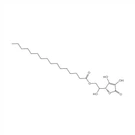
Ascorbyl Tetraisopalmitate (VCIP) ; CAS NO.: 183476 - 82 - 6
Ascorbyl Tetraisopalmitate is a stable form of vitamin C. It is a powerful antioxidant that can protect the hair from free - radical damage. It also helps to promote collagen production in the scalp, which is important for healthy hair growth. Collagen provides support to the hair follicles, making the hair stronger and more resistant to breakage.
Conclusion
As a Cosmetic Raw Materials supplier, I understand the importance of using high - quality raw materials in the production of dry - hair products. Each raw material plays a unique role in addressing the issues associated with dry hair, whether it's moisturizing, strengthening, or protecting the hair. By carefully selecting and combining these raw materials, manufacturers can create effective dry - hair products that meet the needs of consumers.


If you are a manufacturer looking for top - notch raw materials for your dry - hair products, I invite you to contact me for procurement and further discussions. I am committed to providing you with the best quality raw materials and excellent customer service.
References
- Cosmetic Science and Technology, edited by Gerald A. Downing and Robert L. Scheuplein
- Hair and Scalp Disorders: A Guide to Diagnosis and Management, by Mark Lebwohl and Alan Menter
- The Chemistry of Cosmetics, by John F. Corbett