



What are the raw materials for making hair oils?
As a supplier of cosmetic raw materials, I've witnessed firsthand the transformative power of high - quality ingredients in hair oil formulations. Hair oils have long been cherished for their ability to nourish, strengthen, and beautify hair. But what exactly goes into making these magical potions? Let's explore the diverse range of raw materials that form the foundation of effective hair oils.
Carrier Oils
Carrier oils are the base of most hair oil formulations. They serve as a medium to dilute essential oils and other active ingredients, while also providing direct benefits to the hair and scalp.
Coconut Oil: One of the most popular carrier oils for hair, coconut oil is rich in lauric acid, which has a high affinity for hair proteins. It can penetrate the hair shaft, preventing protein loss and reducing breakage. Coconut oil also has antimicrobial properties, which can help keep the scalp healthy.
Argan Oil: Known as "liquid gold," argan oil is extracted from the kernels of the argan tree. It is packed with vitamin E, antioxidants, and fatty acids, such as oleic and linoleic acids. These nutrients help to moisturize the hair, add shine, and reduce frizz. Argan oil is also great for nourishing the scalp and promoting hair growth.
Jojoba Oil: Jojoba oil is unique because its chemical structure is very similar to the sebum produced by our skin. This makes it easily absorbed by the hair and scalp, providing deep hydration without leaving a greasy residue. Jojoba oil can regulate sebum production, making it suitable for both dry and oily scalps.
Olive Oil: A staple in many households, olive oil is rich in monounsaturated fats and antioxidants. It can moisturize the hair, make it more flexible, and protect it from environmental damage. Olive oil is also known for its ability to soothe an itchy scalp.


Essential Oils
Essential oils are highly concentrated plant extracts that offer a variety of benefits for hair health. They are often used in small amounts in hair oil formulations due to their potency.
Lavender Oil: Lavender oil has a calming scent and is known for its antibacterial and anti - inflammatory properties. It can help soothe an irritated scalp, reduce dandruff, and promote hair growth.
Rosemary Oil: Rosemary oil has been shown to stimulate hair growth by increasing blood circulation to the scalp. It also has antimicrobial properties, which can help keep the scalp clean and healthy.
Peppermint Oil: Peppermint oil has a cooling effect and can improve blood flow to the scalp. This increased circulation can promote hair growth and make the hair look thicker and healthier. Peppermint oil also has a refreshing scent that can leave the scalp feeling clean.
Tea Tree Oil: Tea tree oil is well - known for its antifungal and antibacterial properties. It can be effective in treating dandruff and other scalp conditions caused by fungi or bacteria.
Botanical Extracts
Botanical extracts are derived from plants and can provide additional benefits to hair oils.
Aloe Vera Extract: Aloe vera is rich in vitamins, minerals, and enzymes. It can moisturize the hair, soothe the scalp, and reduce inflammation. Aloe vera extract can also help to detangle the hair and make it more manageable.
Ginseng Extract: Ginseng is a traditional herb that has been used for its health benefits for centuries. In hair oils, ginseng extract can stimulate hair growth, improve hair strength, and prevent hair loss.
Horsetail Extract: Horsetail is rich in silica, which is essential for healthy hair. Silica can strengthen the hair shaft, reduce breakage, and promote hair growth. Horsetail extract can also help to improve the overall appearance of the hair, making it shinier and more lustrous.
Active Ingredients
In addition to carrier oils, essential oils, and botanical extracts, there are some active ingredients that can be added to hair oils for specific benefits.
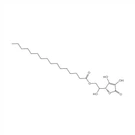
Ascorbyl Tetraisopalmitate (VCIP) ; CAS NO.: 183476 - 82 - 6 is a stable form of vitamin C. Vitamin C is an antioxidant that can protect the hair from oxidative stress caused by free radicals. It can also promote collagen production, which is important for hair strength and elasticity.
Prunin;CAS NO.529 - 55 - 5 has been studied for its potential anti - inflammatory and antioxidant effects. In hair oils, it can help to soothe the scalp and protect the hair from damage.
Pterostilbene ; CAS NO.:537 - 42 - 8 is a natural compound with antioxidant and anti - aging properties. It can help to protect the hair follicles from damage and promote healthy hair growth.
Emulsifiers and Preservatives
Emulsifiers are used to mix oil and water - based ingredients in hair oil formulations. They help to create a stable and homogeneous product. Common emulsifiers include cetearyl alcohol and polysorbate 20.
Preservatives are essential to prevent the growth of bacteria, fungi, and other microorganisms in hair oils. They extend the shelf life of the product and ensure its safety. Some common preservatives used in cosmetic products include parabens, phenoxyethanol, and potassium sorbate.
Choosing the Right Raw Materials
When formulating hair oils, it's important to choose high - quality raw materials. Look for suppliers who can provide pure, natural, and sustainably sourced ingredients. Consider the specific needs of your target market, such as hair type (dry, oily, curly, straight), age group, and any specific hair concerns (hair loss, dandruff, etc.).
As a cosmetic raw materials supplier, we are committed to providing our customers with the best - in - class ingredients for their hair oil formulations. Our extensive range of raw materials includes carrier oils, essential oils, botanical extracts, and active ingredients, all carefully selected for their quality and efficacy.
If you are in the business of formulating hair oils or other cosmetic products, we invite you to contact us for more information about our products. We can help you source the right raw materials for your specific needs and provide technical support throughout the formulation process. Let's work together to create hair oils that will make a difference in people's lives.
References
- A. M. Alahmar, A. A. Alothman, M. A. Al - Sheddi, "Antioxidant and Anti - inflammatory Activities of Natural Compounds in Hair Care Products," Journal of Cosmetic Science, Vol. 67, No. 3, 2016.
- R. P. Sharma, "Role of Botanical Extracts in Hair Growth and Hair Health," International Journal of Trichology, Vol. 8, No. 3, 2016.
- P. S. Pandey, S. S. Rizvi, "Oxidative Stress and Antioxidant Defense," Journal of the Association of Physicians of India, Vol. 54, 2006.