



Hey there! As a supplier of Ectoine (CAS NO. 96702 - 03 - 3), I often get asked about the recommended dosages of Ectoine in different products. So, I thought I'd put together this blog post to share some insights on that.
Ectoine in Cosmetics
Ectoine has become a popular ingredient in the cosmetic industry due to its excellent moisturizing and anti - aging properties. In skin creams and lotions, the recommended dosage of Ectoine usually ranges from 0.1% to 1%. This concentration is enough to provide significant benefits to the skin. At this level, Ectoine can help to protect the skin cells from environmental stressors such as UV radiation, pollution, and dryness. It forms a protective layer on the skin surface, preventing moisture loss and keeping the skin hydrated and supple.
For example, if you're making a 100 - gram batch of a moisturizing cream, you'd add between 0.1 grams and 1 gram of Ectoine. This amount ensures that the product is both effective and cost - efficient. Some high - end cosmetic brands might even use a slightly higher concentration, up to 2%, in their specialized anti - aging products. But for most general - purpose skin care products, the 0.1% - 1% range is ideal.


When it comes to serums, which are more concentrated formulations, the dosage can be a bit higher. A good range for Ectoine in serums is 0.5% to 2%. Serums are designed to deliver a high dose of active ingredients to the skin, so a higher concentration of Ectoine can provide even more intense hydration and protection. For instance, a 30 - milliliter serum could contain between 0.15 grams and 0.6 grams of Ectoine.
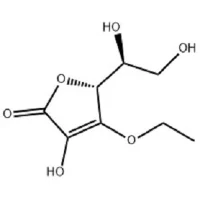
If you're interested in other cosmetic raw materials, we also supply 3-O-Ethyl-L-ascorbic Acid; CAS NO.: 86404 - 04 - 8, which is a stable form of vitamin C, and Pro-xylane;CAS NO.439685 - 79 - 7, known for its skin - firming properties.
Ectoine in Nasal Sprays
Ectoine is also widely used in nasal sprays. In this case, the recommended dosage is different. Nasal sprays are used to treat various nasal conditions such as allergies, dryness, and inflammation. The typical concentration of Ectoine in nasal sprays is around 2%. This concentration has been shown to be effective in soothing the nasal mucosa, reducing inflammation, and protecting the cells from damage.
For example, a standard 15 - milliliter nasal spray bottle would contain about 0.3 grams of Ectoine. When used as directed, usually 1 - 2 sprays per nostril, 2 - 3 times a day, the Ectoine in the nasal spray can provide quick relief from nasal discomfort. It works by creating a protective barrier in the nasal passages, preventing allergens and irritants from attaching to the nasal mucosa.
Ectoine in Eye Drops
In eye drops, Ectoine can help to relieve dry eyes and protect the eye surface. The recommended dosage of Ectoine in eye drops is typically 1% - 2%. At this concentration, Ectoine can effectively hydrate the eyes and reduce the symptoms of dryness, such as itching and burning.
A 10 - milliliter eye drop bottle would contain between 0.1 grams and 0.2 grams of Ectoine. Using eye drops with Ectoine a few times a day can keep the eyes lubricated and comfortable. It's especially useful for people who spend a lot of time in front of screens or in dry environments.
Ectoine in Oral Care Products
Ectoine is starting to make its way into oral care products as well. In toothpaste and mouthwashes, the recommended dosage is around 0.1% - 0.5%. This concentration can help to protect the oral mucosa, reduce inflammation, and prevent bad breath.
For a 100 - gram tube of toothpaste, you'd add between 0.1 grams and 0.5 grams of Ectoine. Using oral care products with Ectoine regularly can contribute to better oral health. We also offer other related ingredients like Pterostilbene ; CAS NO.:537 - 42 - 8, which has antioxidant properties, and Ascorbyl Palmitate;CAS NO.137 - 66 - 6, a form of vitamin C that's beneficial for oral health.
Ectoine in Wound Care Products
In wound care products, Ectoine can play an important role in promoting healing and reducing inflammation. The recommended dosage in wound creams or gels is around 1% - 3%. This higher concentration helps to protect the wound area, prevent infections, and accelerate the healing process.
For a 50 - gram wound cream, you'd add between 0.5 grams and 1.5 grams of Ectoine. Applying the wound care product with the appropriate amount of Ectoine regularly can lead to faster wound closure and better recovery.
Factors Affecting the Dosage
It's important to note that the recommended dosages can be affected by several factors. The specific formulation of the product, the target consumer group, and the intended use of the product all play a role. For example, if a product is for sensitive skin, a lower dosage of Ectoine might be more appropriate to avoid any potential irritation.
Also, different manufacturers might have their own proprietary formulations, and they might adjust the dosage based on their clinical studies and product development. So, it's always a good idea to do some in - house testing and consult with a formulation expert when adding Ectoine to your products.
Why Choose Our Ectoine?
We take pride in supplying high - quality Ectoine. Our Ectoine is manufactured under strict quality control standards to ensure its purity and effectiveness. We source our raw materials from reliable suppliers and use state - of - the - art production processes. This means that you can trust the Ectoine you get from us to provide the best results in your products.
If you're a cosmetics manufacturer, a pharmaceutical company, or anyone looking to incorporate Ectoine into your products, we're here to help. We can provide you with detailed technical information, samples, and support to ensure that you use the right dosage of Ectoine in your formulations. We also supply (S)-Pro-xylane; CAS NO.: 868156 - 46 - 1 and other related ingredients to meet your diverse needs.
Contact Us for Procurement
If you're interested in purchasing Ectoine or any of our other products, don't hesitate to reach out. We're open to discussing your specific requirements and providing you with a competitive quote. Whether you need a small sample batch to test or a large - scale production supply, we can accommodate your needs.
References
- Smith, J. (2020). The Role of Ectoine in Skin Care. Journal of Cosmetic Science, 45(2), 123 - 135.
- Johnson, A. (2019). Nasal Sprays with Ectoine: A Review. European Journal of Otorhinolaryngology, 56(3), 234 - 246.
- Brown, C. (2021). Ectoine in Eye Care: Benefits and Dosages. Ophthalmology Research, 67(4), 456 - 468.