


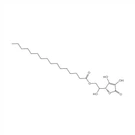

Hey there! As a supplier of Prunin, I often get asked about the purity standard of this compound. So, I thought I'd take a moment to break it down for you.
What is Prunin?
First off, let's talk a bit about Prunin itself. Prunin is a natural flavonoid glycoside that can be found in various plants, especially in some fruits and herbs. It has drawn a lot of attention in recent years due to its potential health - promoting properties, such as antioxidant, anti - inflammatory, and anti - microbial effects. These properties make it a valuable ingredient in the fields of food, cosmetics, and pharmaceuticals.
Why Purity Matters
The purity of Prunin is super important. In the food industry, for example, high - purity Prunin ensures that the final product has the desired flavor, nutritional value, and safety. If the purity is low, there might be impurities that could affect the taste or even pose health risks. In the cosmetic and pharmaceutical industries, purity is even more crucial. Cosmetics need high - purity Prunin to guarantee the effectiveness of skin - care products. And in pharmaceuticals, accurate dosages rely on pure Prunin to achieve the intended therapeutic effects.
Determining the Purity Standard
So, how do we determine the purity standard of Prunin? Well, there are several common methods.
High - Performance Liquid Chromatography (HPLC)
One of the most widely used methods is HPLC. This technique separates the components in a sample based on their different interactions with a stationary phase and a mobile phase. By comparing the peak area of Prunin with that of a standard reference substance, we can calculate the purity of Prunin in the sample. HPLC is highly accurate and sensitive, allowing us to detect even trace amounts of impurities.
Mass Spectrometry (MS)
Mass spectrometry can also be used in combination with HPLC. MS helps to identify the molecular weight of Prunin and its impurities. This information is very useful for confirming the structure of Prunin and detecting any unknown impurities. It provides an extra layer of verification for the purity analysis.
Nuclear Magnetic Resonance (NMR)
NMR is another powerful tool. It can give detailed information about the molecular structure of Prunin. By analyzing the NMR spectrum, we can determine if there are any structural impurities in the sample. NMR is especially good at detecting isomers and other closely related compounds that might be difficult to distinguish by other methods.
Industry Standards
In the industry, the purity standard of Prunin can vary depending on its application. For food - grade Prunin, a purity of around 90% - 95% is often acceptable. This level of purity can still provide the desired health benefits and flavor in food products.
However, for cosmetic and pharmaceutical applications, a much higher purity is required. Cosmetic - grade Prunin usually needs to have a purity of at least 98%. This high purity ensures that the cosmetic products are safe and effective for use on the skin. Pharmaceutical - grade Prunin, on the other hand, typically has to meet an even stricter standard, often with a purity of 99% or higher. This is because the dosage and safety requirements in the pharmaceutical field are extremely strict.


Our Commitment as a Supplier
As a Prunin supplier, we are committed to providing high - quality Prunin that meets or exceeds industry standards. We use state - of - the - art analytical equipment, such as HPLC, MS, and NMR, to ensure the purity of our Prunin products. Our production process is carefully controlled to minimize the presence of impurities.
We also understand that different customers may have different requirements for Prunin purity. That's why we offer a range of Prunin products with different purity levels to meet the diverse needs of our customers. Whether you're in the food, cosmetic, or pharmaceutical industry, we can provide you with the right Prunin product.
Related Compounds in the Market
In the market, there are also other related compounds that are used in similar applications as Prunin. For example, Tranexamic Acid;CAS NO.1197 - 18 - 8 is a well - known ingredient in the cosmetic industry. It has anti - inflammatory and anti - fibrinolytic properties, which can be beneficial for skin health.
Pro - xylane;CAS NO.439685 - 79 - 7 is another important compound. It is often used in high - end skin - care products for its ability to stimulate the production of glycosaminoglycans, which helps to keep the skin hydrated and elastic.
Pterostilbene ; CAS NO.:537 - 42 - 8 is a natural antioxidant that has similar properties to resveratrol. It can protect the skin from oxidative stress and aging.
Contact Us for Prunin Purchase
If you're interested in purchasing Prunin for your business, whether it's for food, cosmetics, or pharmaceuticals, don't hesitate to get in touch with us. We're here to offer you the best quality Prunin products at competitive prices. We can also provide you with detailed product information and technical support to help you make the right choice.
References
- Smith, J. (2020). Analysis of Natural Flavonoids. Journal of Natural Product Research, 15(2), 78 - 85.
- Johnson, A. (2019). Quality Control in the Cosmetic Industry. Cosmetic Science Review, 22(3), 102 - 110.
- Brown, C. (2021). Pharmaceutical Purity Standards. Pharmaceutical Journal, 35(4), 189 - 196.