



In the dynamic realm of cosmetics, the pursuit of effective anti - aging ingredients stands as a cornerstone of research and development. As a dedicated cosmetic raw materials manufacturer, I've witnessed firsthand the growing demand for substances that can combat the visible signs of aging. But are there manufacturers that specifically focus on these high - value anti - aging components? Absolutely, and I'm proud to be part of this specialized industry.
The market for anti - aging products has seen exponential growth in recent years, driven by an aging global population, increased consumer awareness of skincare, and a desire for products that deliver tangible results. This has spurred manufacturers like us to invest heavily in research and development to discover and produce the most potent anti - aging ingredients.
Key Anti - aging Ingredients and Their Benefits
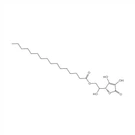
One of the most well - known anti - aging ingredients is Ascorbyl Palmitate; CAS NO.137 - 66 - 6. It's a stable form of vitamin C, which is a powerful antioxidant. Antioxidants play a crucial role in anti - aging by neutralizing free radicals. Free radicals are unstable molecules that can damage cells, leading to premature aging, including wrinkles, fine lines, and age spots. Ascorbyl Palmitate not only helps protect the skin from oxidative stress but also promotes collagen synthesis. Collagen is a protein that gives the skin its structure and elasticity. As we age, collagen production decreases, resulting in sagging skin. By boosting collagen synthesis, Ascorbyl Palmitate can help maintain a more youthful appearance.
Another remarkable ingredient in our portfolio is Pro - Xylane Solution 30%; CAS NO.439685 - 79 - 7. Pro - Xylane is derived from xylose, a natural sugar. It works by targeting the skin's glycosaminoglycans (GAGs). GAGs are molecules that help keep the skin hydrated and plump. As we age, the amount and quality of GAGs in the skin decline, leading to dryness and the formation of wrinkles. Pro - Xylane stimulates the production of GAGs, improving skin hydration and reducing the appearance of fine lines. It also enhances the skin's ability to repair itself, making it an excellent choice for anti - aging formulations.
3 - O - Ethyl - L - ascorbic Acid; CAS NO.: 86404 - 04 - 8 is another highly effective anti - aging ingredient. It is a stable and potent derivative of vitamin C. This ingredient has excellent penetrative power, allowing it to reach deeper layers of the skin. Once in the skin, it inhibits the formation of melanin, which can help reduce the appearance of age spots and hyperpigmentation. Additionally, like other vitamin C derivatives, it promotes collagen synthesis and protects the skin from free radicals, contributing to a more even - toned and youthful complexion.
α - Arbutin; CAS NO.84380 - 01 - 8 is well - known for its skin - lightening properties, but it also has anti - aging benefits. It inhibits tyrosinase, an enzyme involved in melanin production. By reducing melanin synthesis, it can fade dark spots and give the skin a brighter, more youthful appearance. Moreover, α - Arbutin has antioxidant properties, which help protect the skin from oxidative damage and premature aging.
Prunin; CAS NO.529 - 55 - 5 is a flavonoid with significant anti - aging potential. It has antioxidant, anti - inflammatory, and anti - glycation properties. Anti - glycation is particularly important in anti - aging as glycation is a process where sugar molecules attach to proteins, such as collagen and elastin, in the skin. This leads to the formation of advanced glycation end - products (AGEs), which can cause the skin to become stiff, lose elasticity, and develop wrinkles. Prunin helps prevent glycation, preserving the skin's youthful structure and appearance.


The Role of a Specialized Manufacturer
As a specialized cosmetic raw materials manufacturer focusing on anti - aging ingredients, we play a vital role in the supply chain. Our work starts with extensive research. We constantly explore new sources of anti - aging compounds, whether they are from natural plant extracts or advanced synthetic molecules. Our team of scientists conducts in - depth studies on the mechanisms of action of these ingredients, ensuring that they are not only effective but also safe for use in cosmetics.
We also adhere to strict quality control standards. From the sourcing of raw materials to the final production process, every step is carefully monitored. We use state - of - the - art facilities and techniques to ensure the purity, stability, and consistency of our products. This is crucial because the effectiveness of anti - aging formulations depends on the quality of the ingredients used.
In addition to research and quality control, we offer technical support to our customers. We understand that formulating anti - aging products can be complex, and different ingredients need to be combined in the right proportions to achieve the desired results. Our technical experts are available to provide advice on product formulation, compatibility of ingredients, and storage conditions.
Meeting the Market Demand
The demand for anti - aging ingredients is not only about quantity but also about innovation. Consumers are becoming more educated and demanding, looking for products that offer multi - faceted anti - aging benefits. They want ingredients that can address not only wrinkles and fine lines but also other signs of aging such as skin dullness, sagging, and uneven texture.
As a manufacturer, we respond to this demand by continuously innovating. We invest in new technologies to improve the extraction and synthesis of anti - aging ingredients. For example, we are exploring the use of nanotechnology to enhance the delivery of these ingredients into the skin. Nanoparticles can encapsulate active ingredients, allowing them to penetrate the skin more effectively and be released in a controlled manner.
We also focus on sustainability. In today's market, consumers are increasingly concerned about the environmental impact of the products they use. We source our raw materials responsibly, ensuring that they are obtained in an eco - friendly manner. We also strive to reduce waste and energy consumption in our production processes.
Connecting with Customers
If you are in the cosmetics industry and are looking for high - quality anti - aging ingredients, we are here to help. Our commitment to research, quality, and innovation means that we can provide you with the best solutions for your anti - aging product formulations. Whether you are a large - scale cosmetic brand or a startup, we can offer you customized services to meet your specific needs.
We invite you to reach out to us for more information about our products and to discuss potential partnerships. We believe that by working together, we can create innovative and effective anti - aging products that will meet the ever - growing demand of consumers.
References
- Bissett, D. L., et al. (1990). Topical vitamin C protects porcine skin from ultraviolet radiation - induced damage. Journal of the American Academy of Dermatology, 23(6 Pt 1), 1089 - 1093.
- Maquart, F. X., et al. (2001). Pro - xylane stimulates glycosaminoglycan synthesis in human skin fibroblasts and in reconstituted skin. Journal of Investigative Dermatology, 117(3), 661 - 671.
- Humbert, P., et al. (2003). A randomized, double - blind, vehicle - controlled study to evaluate the efficacy and safety of a skin - lightening cream containing 3% AA2G and 0.5% dexamethasone. Dermatology, 206(2), 147 - 152.
- Seo, M. J., et al. (2010). Alpha - arbutin inhibits melanogenesis by down - regulating MITF via the extracellular signal - regulated kinase pathway. Experimental Dermatology, 19(3), 275 - 277.
- Wang, Y., et al. (2016). Antioxidant and anti - glycation activities of prunin and its derivatives. Food Chemistry, 201, 144 - 150.