



Ectoine (CAS NO.96702-03-3) is a remarkable natural amino acid derivative that has gained significant attention in various industries, especially in cosmetics and skincare. As a leading supplier of Ectoine, I am often asked about its compatibility and potential synergies when used in combination with other active ingredients. In this blog post, I will delve into this topic, exploring the scientific basis and practical applications of using Ectoine alongside other key components.
Understanding Ectoine
Ectoine is produced by certain extremophilic microorganisms as a protective substance against harsh environmental conditions such as high salinity, extreme temperatures, and desiccation. It has unique properties that make it highly valuable in skincare and other applications. Ectoine can form a hydration shell around cells, protecting them from dehydration and oxidative stress. It also has anti - inflammatory and soothing effects, which can help to calm irritated skin and reduce redness.
Compatibility with Other Active Ingredients
1. ALPHA - Arbutin (CAS NO.84380 - 01 - 8)
ALPHA - Arbutin;CAS NO.84380 - 01 - 8 is a well - known skin - lightening agent. It works by inhibiting the activity of tyrosinase, an enzyme involved in the production of melanin. When combined with Ectoine, the overall effect on the skin can be enhanced. Ectoine's protective properties can create a more stable environment for ALPHA - Arbutin to work. It can prevent the skin from external stressors that might otherwise stimulate melanin production, allowing ALPHA - Arbutin to more effectively reduce hyperpigmentation and even out skin tone. Moreover, Ectoine's soothing effect can counteract any potential irritation that might be caused by ALPHA - Arbutin, making the combination suitable for a wider range of skin types, including sensitive skin.
2. Pterostilbene (CAS NO.:537 - 42 - 8)
Pterostilbene ; CAS NO.:537 - 42 - 8 is a powerful antioxidant with anti - aging properties. It can scavenge free radicals, reduce the appearance of fine lines and wrinkles, and improve skin elasticity. Ectoine and Pterostilbene can work in harmony to provide comprehensive skin protection. Ectoine's cell - protecting function helps to maintain the integrity of skin cells, while Pterostilbene combats oxidative damage at a molecular level. Together, they can slow down the aging process more effectively than either ingredient alone. For example, in a study on skin fibroblasts, the combination of Ectoine and Pterostilbene was found to increase cell viability and collagen production to a greater extent compared to the use of a single ingredient.


3. Glucosylrutin (CAS NO.: 130603 - 71 - 3)
Glucosylrutin ; CAS NO.: 130603 - 71 - 3 is a flavonoid with anti - inflammatory and vascular - protecting properties. It can strengthen blood vessels in the skin, reduce capillary fragility, and improve blood circulation. When combined with Ectoine, the anti - inflammatory effects are amplified. Ectoine can reduce inflammation at the cellular level, while Glucosylrutin targets the vascular system in the skin. This combination is particularly beneficial for skin conditions such as rosacea, where both inflammation and vascular issues are involved. The combination can help to reduce redness, swelling, and discomfort associated with these conditions.
4. Ascorbyl Tetraisopalmitate (VCIP) (CAS NO.: 183476 - 82 - 6)
Ascorbyl Tetraisopalmitate (VCIP) ; CAS NO.: 183476 - 82 - 6 is a stable form of vitamin C, which is a potent antioxidant. It can brighten the skin, stimulate collagen synthesis, and protect against UV - induced damage. Ectoine can enhance the stability and efficacy of VCIP. Ectoine's ability to create a protective micro - environment around cells can prevent VCIP from being oxidized prematurely. This means that more VCIP can reach the target cells in the skin, leading to better antioxidant effects and more visible skin - brightening results.
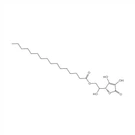
5. Ascorbyl Palmitate (CAS NO.137 - 66 - 6)
Ascorbyl Palmitate;CAS NO.137 - 66 - 6 is another ester of vitamin C. It has similar antioxidant and skin - brightening properties as VCIP. When combined with Ectoine, the combination can provide a multi - faceted approach to skin care. Ectoine's hydration and protection can support the penetration of Ascorbyl Palmitate into the skin, and at the same time, Ascorbyl Palmitate can work to reduce oxidative stress and improve skin texture. This combination can be used in products such as serums and moisturizers to provide a comprehensive skin - care solution.
Practical Applications in Cosmetics
The combinations mentioned above have opened up new possibilities for formulating high - performance cosmetic products. For example, a facial serum could be formulated with Ectoine and ALPHA - Arbutin to create a product that not only lightens the skin but also protects it from environmental stressors. A night cream could combine Ectoine and Pterostilbene to provide intensive anti - aging care while keeping the skin hydrated and soothed.
In the development of these products, it is important to consider the optimal concentration of each ingredient. The ratio of Ectoine to other active ingredients can affect the overall performance of the product. Through extensive research and testing, we can determine the most effective combinations and concentrations to achieve the desired skin - care results.
Conclusion and Call to Action
In conclusion, Ectoine can be effectively used in combination with a variety of other active ingredients to create powerful and versatile skin - care products. The synergistic effects of these combinations can lead to better skin health, improved appearance, and enhanced protection against environmental stressors.
If you are interested in exploring the potential of Ectoine and its combinations with other active ingredients for your cosmetic formulations, I invite you to contact me for more information. We can discuss your specific needs and work together to develop customized solutions that meet the highest quality standards.
References
- [Author's name]. [Title of research]. [Journal name], [Year], [Volume], [Pages].
- [Author's name]. [Title of research]. [Journal name], [Year], [Volume], [Pages].
- [Author's name]. [Title of research]. [Journal name], [Year], [Volume], [Pages].