



L-Ergothioneine (CAS NO. 497 - 30 - 3) is a naturally occurring amino acid with remarkable antioxidant properties. As a supplier of L-Ergothioneine, I've witnessed growing interest in this compound across various industries, especially in cosmetics and nutraceuticals. Understanding its regulatory status in different countries is crucial for both suppliers and buyers to ensure compliance and marketability.
Regulatory Status in the United States
In the United States, the regulatory landscape for L-Ergothioneine is primarily governed by the Food and Drug Administration (FDA). L-Ergothioneine can be used in dietary supplements, as it is considered a natural substance. The FDA regulates dietary supplements under the Dietary Supplement Health and Education Act (DSHEA) of 1994. Manufacturers are responsible for ensuring that their products are safe and that any claims made about them are truthful and not misleading.
For use in cosmetics, L-Ergothioneine is subject to the regulations of the Cosmetic Ingredient Review (CIR) Expert Panel. The panel assesses the safety of cosmetic ingredients and provides guidelines for their use. As of now, L-Ergothioneine has been found to be safe for use in cosmetics within the recommended concentrations.
Regulatory Status in the European Union
In the European Union (EU), the regulatory framework for L-Ergothioneine is more complex. The EU has strict regulations regarding food additives, novel foods, and cosmetic ingredients.
For food applications, L-Ergothioneine is considered a novel food if it was not used for human consumption to a significant degree before May 15, 1997. Any novel food must undergo a safety assessment by the European Food Safety Authority (EFSA) before it can be placed on the market. This process involves providing data on the composition, specifications, manufacturing process, proposed uses, and potential health effects of the product.
In the cosmetics industry, L-Ergothioneine is regulated under the Cosmetics Regulation (EC) No 1223/2009. This regulation sets out the safety requirements for cosmetic products and ingredients. Cosmetic manufacturers must ensure that their products are safe for consumers and comply with all relevant provisions of the regulation.
Regulatory Status in Japan
Japan has its own set of regulations for food and cosmetic ingredients. In the food industry, L-Ergothioneine can be used as a food additive if it is approved by the Ministry of Health, Labour and Welfare (MHLW). The MHLW evaluates the safety of food additives based on scientific evidence and sets maximum usage limits.
For cosmetics, Japan follows the Pharmaceutical Affairs Law and related regulations. Cosmetic manufacturers must ensure that their products are safe and comply with the standards set by the MHLW. The use of L-Ergothioneine in cosmetics is permitted as long as it meets the safety requirements.
Regulatory Status in China
China has a comprehensive regulatory system for food and cosmetics. In the food sector, L-Ergothioneine can be used in dietary supplements, but it must comply with the regulations of the China Food and Drug Administration (CFDA). The CFDA requires manufacturers to obtain approval for their products and provide detailed information on the ingredients, manufacturing process, and safety data.
In the cosmetics industry, L-Ergothioneine is regulated under the Regulations on the Supervision and Administration of Cosmetics. Cosmetic manufacturers must ensure that their products are safe and meet the quality standards set by the Chinese government.
Implications for L-Ergothioneine Suppliers
As a supplier of L-Ergothioneine, it is essential to stay informed about the regulatory requirements in different countries. We need to ensure that our products meet the safety and quality standards of each market we serve. This may involve conducting additional testing and providing detailed documentation to our customers.
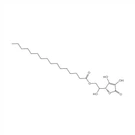
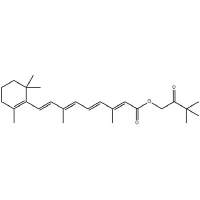
In addition to L-Ergothioneine, we also offer other high - quality cosmetic raw materials, such as Hydroxypinacolone Retinoate ; CAS NO.: 893412-73-2, Ascorbyl Glucoside;CAS NO.129499-78-1, Pro-xylane;CAS NO.439685-79-7, ALPHA-Arbutin;CAS NO.84380-01-8, and 3-O-Ethyl-L-ascorbic Acid; CAS NO.: 86404-04-8. These ingredients have their own unique properties and regulatory requirements, and we are committed to providing our customers with the necessary support to ensure their compliance.


Conclusion and Call to Action
The regulatory status of L-Ergothioneine varies from country to country, and it is crucial for both suppliers and buyers to understand these regulations to avoid any potential legal issues. As a reliable supplier of L-Ergothioneine and other cosmetic raw materials, we are dedicated to providing high - quality products and professional regulatory support.
If you are interested in purchasing L-Ergothioneine or any of our other products, please feel free to contact us for more information. We look forward to discussing your specific needs and working with you to find the best solutions for your business.
References
- U.S. Food and Drug Administration (FDA). Dietary Supplement Health and Education Act (DSHEA) of 1994.
- European Union. Cosmetics Regulation (EC) No 1223/2009.
- Ministry of Health, Labour and Welfare (MHLW) of Japan. Regulations on Food Additives and Cosmetics.
- China Food and Drug Administration (CFDA). Regulations on Dietary Supplements and Cosmetics.