


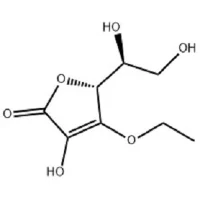


N-acetylneuraminic acid, also known as sialic acid, has a CAS number of 131 - 48 - 6. As a supplier of this compound, I often get asked if it can be used as a dietary supplement. In this blog post, I'll share my thoughts and the scientific knowledge I've gathered on this topic.
What is N - acetylneuraminic acid?
N - acetylneuraminic acid is a kind of sugar molecule that's found in many organisms, including humans. It's a key component of glycoproteins and glycolipids on the cell surface. In the human body, it plays important roles in various biological processes. For example, it's involved in cell - to - cell recognition, immune response regulation, and neural development.
Potential Health Benefits That Make It a Candidate for Dietary Supplements
-
Brain Health
One of the most promising aspects of N - acetylneuraminic acid is its potential impact on brain function. Studies have suggested that it may play a role in promoting neural development and cognitive function. In infants, breast milk is a rich source of sialic acid, and it's believed that this helps with the rapid development of the brain during the early stages of life. For adults, some research indicates that supplementation could potentially improve memory and learning ability. One reason for this is that sialic acid is a major component of gangliosides, which are important for the structure and function of nerve cells. -
Immune System Support
N - acetylneuraminic acid can also contribute to a healthy immune system. It's involved in the recognition and binding of pathogens by immune cells. By being part of the surface molecules of immune cells, it helps the body to identify and fight off foreign invaders like bacteria and viruses. In some animal studies, increased intake of sialic acid has been associated with enhanced immune responses, which might translate into a reduced risk of getting sick. -
Gut Health
The gut is home to trillions of bacteria, and maintaining a healthy gut microbiota is crucial for overall health. Sialic acid can act as a prebiotic, providing food for beneficial bacteria in the gut. This helps in maintaining a balanced gut microbiome, which in turn can have positive effects on digestion, nutrient absorption, and even mental health through the gut - brain axis.
Safety Considerations
When it comes to using N - acetylneuraminic acid as a dietary supplement, safety is a top concern. Generally, sialic acid is considered safe for human consumption. It's a natural component of many foods, such as breast milk, dairy products, and certain types of meat and fish. However, like any supplement, it's important to take it in appropriate amounts.
Over - supplementation could potentially lead to imbalances in the body's natural systems. For example, excessive intake might disrupt the normal function of cell - to - cell communication that sialic acid is involved in. Also, people with certain medical conditions or those taking specific medications should consult a healthcare professional before starting to take N - acetylneuraminic acid supplements.
Comparison with Other Popular Dietary Supplements
There are many other dietary supplements on the market. For instance, BETA - Nicotinamide Mononucleotide(NMN) is well - known for its potential anti - aging effects. It helps in increasing the levels of NAD+ in the body, which is important for energy metabolism and DNA repair. BETA - Nicotinamide Adenine Dinucleotide, Reduced, Disodium Salt (BETA - NADH) also plays a crucial role in energy production within cells.
Pyrroloquinoline Quinone Disodium Salt is another supplement that has antioxidant and mitochondrial - enhancing properties. BETA - Nicotinamide Adenine Dinucleotide Phosphate, Reduced Form, Tetrasodium Salt (BETA - NADPH);CAS NO.: 2646 - 71 - 1 is involved in various biochemical reactions, especially those related to antioxidant defense. And L - Ergothioneine is a powerful antioxidant that can protect cells from oxidative stress.
Compared to these, N - acetylneuraminic acid focuses more on neural development, immune support, and gut health. Depending on individual health goals, people might choose to take one or a combination of these supplements.
Regulatory Status
In different countries, the regulatory status of N - acetylneuraminic acid as a dietary supplement varies. In some regions, it's recognized and regulated as a safe dietary ingredient, and products containing it can be readily available in the market. However, in other areas, more research and approval processes may be required before it can be sold as a supplement. It's important for both consumers and suppliers to be aware of the local regulations to ensure compliance.
Our Offer as a Supplier
As a supplier of N - acetylneuraminic acid (CAS NO. 131 - 48 - 6), we are committed to providing high - quality products. Our N - acetylneuraminic acid is sourced and manufactured under strict quality control measures to ensure purity and potency. Whether you're a supplement manufacturer looking for a reliable ingredient source or a retailer interested in stocking products containing this compound, we can offer you competitive prices and reliable supply.
If you're considering using N - acetylneuraminic acid as a dietary supplement ingredient or adding related products to your inventory, don't hesitate to reach out to us for more information. We can provide detailed product specifications, sample requests, and discuss pricing and delivery options. We're here to support you in making the best decision for your business in the dietary supplement industry.
Conclusion
In conclusion, N - acetylneuraminic acid shows great potential as a dietary supplement. Its various health benefits in brain health, immune support, and gut health make it an attractive option for many people. However, like any supplement, it should be used responsibly, and individuals should be informed about potential risks and regulatory requirements.


If you have any interest in purchasing N - acetylneuraminic acid for your dietary supplement needs, contact us for a purchasing consultation. We look forward to working with you to meet your business's or personal health goals.
References
- Schauer, R. (2004). The sialic acids - a remarkable class of sugars. Glycoconjugate Journal, 21(2), 1 - 8.
- Wang, H., & Brand - Miller, J. C. (2003). Dietary sources of sialic acid and their importance in human development. Annual Review of Nutrition, 23, 257 - 281.
- Varki, A., & Schauer, R. (2009). Sialic acids in human health and disease. Trends in Molecular Medicine, 15(8), 368 - 376.