

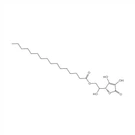


Ectoine, identified by CAS NO. 96702 - 03 - 3, is a remarkable natural compound that has been gaining significant traction in various industries, particularly in cosmetics, pharmaceuticals, and biotechnology. As a trusted supplier of Ectoine, I often encounter inquiries regarding its shelf - life. Understanding the shelf - life of Ectoine is crucial for both manufacturers and end - users, as it directly impacts product quality, safety, and efficacy.
Understanding Ectoine
Before delving into the shelf - life of Ectoine, it's essential to understand what it is and why it's so valuable. Ectoine is a compatible solute produced by extremophile microorganisms, such as halophilic bacteria, in response to environmental stressors like high salinity, extreme temperatures, and UV radiation. This unique adaptation mechanism allows these microorganisms to survive in harsh conditions.
In the cosmetic industry, Ectoine has emerged as a powerful ingredient due to its exceptional properties. It has excellent moisturizing capabilities, helps protect the skin's barrier function, and has anti - inflammatory and antioxidant effects. In the pharmaceutical field, it shows potential in treating various skin and eye conditions, such as atopic dermatitis and dry eye syndrome.
Factors Affecting the Shelf - Life of Ectoine
The shelf - life of Ectoine can be influenced by several factors, including storage conditions, purity, and the presence of other substances in the formulation.
Storage Conditions
Storage temperature is one of the most critical factors. Ectoine is relatively stable at room temperature, but it's best stored in a cool, dry place away from direct sunlight. High temperatures can accelerate chemical reactions and degradation processes. For instance, if Ectoine is exposed to temperatures above 30°C for an extended period, its molecular structure may start to break down, leading to a decrease in its effectiveness.
Humidity also plays a role. Moisture can cause Ectoine to absorb water, which may lead to clumping or the growth of microorganisms if the product is not properly sealed. Therefore, it's recommended to store Ectoine in air - tight containers to prevent moisture ingress.
Purity
The purity of Ectoine is another significant factor. High - purity Ectoine is generally more stable and has a longer shelf - life compared to lower - purity grades. Impurities can act as catalysts for chemical reactions, promoting the degradation of Ectoine. As a supplier, we ensure that our Ectoine meets the highest purity standards through advanced purification processes, which helps to extend its shelf - life.
Formulation
When Ectoine is incorporated into a formulation, the other ingredients can affect its stability. Some substances may interact with Ectoine, either chemically or physically, leading to a shorter shelf - life. For example, certain acids or bases in a cosmetic formulation may change the pH of the solution, which can impact the stability of Ectoine. Therefore, careful formulation design is necessary to ensure the compatibility of Ectoine with other ingredients.
Determining the Shelf - Life of Ectoine
The shelf - life of Ectoine is typically determined through stability testing. This involves storing samples of Ectoine under different conditions (such as different temperatures and humidity levels) for an extended period and periodically analyzing their quality.
Common analytical methods used in stability testing include high - performance liquid chromatography (HPLC) to measure the concentration of Ectoine, and spectroscopy to detect any changes in its molecular structure. By monitoring these parameters over time, we can establish the point at which the quality of Ectoine begins to deteriorate significantly.
Based on our extensive stability testing, under optimal storage conditions (a temperature of 2 - 8°C in a dry and dark environment), the shelf - life of our high - purity Ectoine can be up to 24 months. However, if stored at room temperature (around 20 - 25°C), the shelf - life may be reduced to approximately 18 months.
Comparing Ectoine with Other Cosmetic Raw Materials
To put the shelf - life of Ectoine into perspective, let's compare it with other popular cosmetic raw materials.
Hydroxypinacolone Retinoate ; CAS NO.: 893412 - 73 - 2 is a synthetic retinoid used in anti - aging products. It is relatively stable compared to some other retinoids, but it can still be sensitive to light and oxygen. Its shelf - life under proper storage conditions is usually around 12 - 18 months.
Ascorbyl Palmitate;CAS NO.137 - 66 - 6 is a vitamin C derivative commonly used for its antioxidant properties. It is more stable than pure vitamin C but can still degrade over time, especially when exposed to heat and moisture. Its shelf - life is typically around 12 months.
3 - O - Ethyl - L - ascorbic Acid; CAS NO.: 86404 - 04 - 8 is another stable form of vitamin C. It has a relatively long shelf - life of about 18 - 24 months under proper storage conditions.
Compared to these raw materials, Ectoine offers a good balance of stability and performance, making it an attractive choice for formulators.
Importance of Shelf - Life in the Supply Chain
For suppliers like us, understanding the shelf - life of Ectoine is crucial for managing inventory and ensuring product quality. We have strict quality control measures in place to monitor the shelf - life of our products from production to delivery. This includes proper labeling of the expiration date and providing clear storage instructions to our customers.
For manufacturers, the shelf - life of Ectoine affects their production planning and product development. They need to ensure that the Ectoine they use in their formulations has a sufficient remaining shelf - life to meet the expected lifespan of the final product. This also helps in maintaining consistent product quality and avoiding costly recalls due to expired ingredients.
Ensuring the Quality of Ectoine Throughout its Shelf - Life
To ensure that Ectoine maintains its quality throughout its shelf - life, both suppliers and users need to take certain precautions.


As a supplier, we use high - quality packaging materials that provide excellent protection against light, moisture, and oxygen. Our products are also regularly tested during storage to monitor any changes in quality.
For users, it's important to follow the recommended storage conditions. Once a container of Ectoine is opened, it should be used promptly and resealed tightly to prevent contamination and degradation. If possible, it's advisable to use small - sized containers to minimize the exposure of Ectoine to the environment.
Conclusion
In conclusion, the shelf - life of Ectoine (CAS NO. 96702 - 03 - 3) is influenced by multiple factors, including storage conditions, purity, and formulation. Under optimal storage conditions, our high - purity Ectoine can have a shelf - life of up to 24 months. Compared to other cosmetic raw materials, Ectoine offers a good balance of stability and performance.
As a reliable supplier of Ectoine, we are committed to providing high - quality products with a long shelf - life. If you are interested in purchasing Ectoine for your cosmetic, pharmaceutical, or biotechnology applications, we invite you to contact us for more information and to discuss your specific requirements. We look forward to the opportunity to work with you and help you create innovative and high - quality products.
References
- Galinski, E. A. (1995). Osmoadaptation in bacteria. Advances in Microbial Physiology, 37, 1 - 42.
- Lentzen, G., & Schwarz, G. (2006). Ectoine and hydroxyectoine: natural extremolytes and their applications. Applied Microbiology and Biotechnology, 71(4), 435 - 442.
- Hagemann, M. (2011). Biosynthesis and function of compatible solutes in cyanobacteria. FEMS Microbiology Reviews, 35(2), 286 - 305.