



Hey there! As a supplier of Glucosylglycerol (CAS NO. 22160 - 26 - 5), I've been getting a lot of questions lately about whether this compound has any lubricating properties. So, I thought I'd dive deep into this topic and share what I've found.
First off, let's get a bit of background on Glucosylglycerol. It's a natural compound that has been gaining popularity in various industries, especially in cosmetics and personal care products. It's known for its moisturizing and hydrating properties, which help keep the skin and hair looking and feeling healthy. But what about its lubricating abilities?
To understand if Glucosylglycerol has lubricating properties, we need to look at its chemical structure and how it interacts with other substances. Glucosylglycerol is a glycoside, which means it consists of a sugar molecule (glucose) attached to a glycerol molecule. This unique structure gives it some interesting physical and chemical properties.


In general, lubricants work by reducing friction between two surfaces. They can be in the form of liquids, solids, or semi - solids. When it comes to Glucosylglycerol, its ability to form a thin film on surfaces could potentially act as a lubricant. The glycerol part of the molecule is well - known for its smooth and slippery nature. Glycerol is commonly used in many lubricating products, such as in some medical lubricants and personal lubricants.
When Glucosylglycerol is applied to a surface, the glucose part of the molecule can interact with the surface through hydrogen bonding, while the glycerol part can provide that smooth, slippery feel. This combination could potentially reduce friction between the surface and another object that comes into contact with it.
In the cosmetic industry, this could be beneficial. For example, in hair products, a lubricating agent can make it easier to comb through the hair, reducing breakage and damage. Glucosylglycerol could potentially act as a natural alternative to some of the synthetic lubricants currently used in hair conditioners and detanglers.
In skin care, a lubricating property could also be useful. It could make the application of creams and lotions smoother, and also help in the movement of fingers or other applicators on the skin. This could enhance the overall user experience.
However, it's important to note that the lubricating properties of Glucosylglycerol might not be as strong as some dedicated lubricants. There are many factors that can affect its lubricating ability, such as the concentration of Glucosylglycerol in a formulation, the presence of other ingredients, and the type of surface it's applied to.
To really test its lubricating properties, some scientific studies would be needed. There isn't a whole lot of research specifically focused on the lubricating aspects of Glucosylglycerol yet. But based on its chemical makeup and the known properties of its components (glucose and glycerol), there's definitely potential.
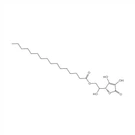
Now, let's compare Glucosylglycerol with some other compounds in the market. For example, Ascorbyl Palmitate;CAS NO.137 - 66 - 6 is mainly known for its antioxidant properties in cosmetics. It doesn't have a well - established reputation as a lubricant. Prunin;CAS NO.529 - 55 - 5 is often used for its potential health benefits, but there's no clear indication that it has significant lubricating properties. And Glucosylrutin ; CAS NO.: 130603 - 71 - 3 is more focused on its antioxidant and anti - inflammatory properties in the cosmetic field.
In industrial applications, the potential of Glucosylglycerol as a lubricant could also be explored. For example, in some light - duty machinery or in the manufacturing of small parts where a natural and non - toxic lubricant is desired, Glucosylglycerol could be a candidate.
If you're in the business of formulating products, whether it's cosmetics, personal care, or industrial products, you might want to consider giving Glucosylglycerol a try to see if its potential lubricating properties work for you. It's a natural and relatively safe compound, and with the growing demand for natural ingredients, it could be a great addition to your product line.
As a supplier, I'm always happy to provide samples and technical support. If you're interested in learning more about Glucosylglycerol or want to discuss how it could fit into your formulations, don't hesitate to reach out. We can have a chat about your specific needs and see if Glucosylglycerol is the right choice for you.
In conclusion, while there isn't conclusive evidence that Glucosylglycerol is a top - notch lubricant, its chemical structure and the properties of its components suggest that it has the potential to act as a lubricant. More research is needed to fully understand and harness its lubricating abilities. But for those looking for a natural alternative in their product formulations, it's definitely worth exploring.
If you're looking to source high - quality Glucosylglycerol, I'm here to help. Contact me, and we can start the conversation about how we can work together to meet your product needs.
References
- General knowledge on chemical properties of glycerol and glycosides
- Cosmetic ingredient handbooks for information on Ascorbyl Palmitate, Prunin, and Glucosylrutin