


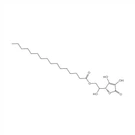
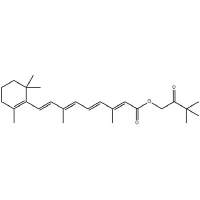

Glucosylglycerol (CAS NO. 22160 - 26 - 5) is a versatile compound that has gained significant attention in various industries, including cosmetics, pharmaceuticals, and food. As a supplier of Glucosylglycerol, I often get asked about how this compound can be analyzed and detected. In this blog post, I'll share some of the common methods used for its analysis and detection.
Why Analyze and Detect Glucosylglycerol?
Before diving into the methods, let's quickly talk about why it's important to analyze and detect Glucosylglycerol. In the cosmetic industry, for example, the quality and purity of raw materials like Glucosylglycerol can greatly affect the performance and safety of the final products. Accurate analysis helps ensure that the product meets the required standards and provides the desired benefits to consumers. In the pharmaceutical field, precise detection is crucial for understanding the pharmacokinetics and efficacy of drugs containing Glucosylglycerol.
Chromatographic Methods
High - Performance Liquid Chromatography (HPLC)
HPLC is one of the most widely used techniques for analyzing Glucosylglycerol. It works by separating the components of a sample based on their interactions with a stationary phase and a mobile phase. For Glucosylglycerol, a suitable stationary phase and mobile phase need to be selected to achieve good separation.
The sample is injected into the HPLC system, and as it passes through the column, different components are retained for different amounts of time. Detectors, such as ultraviolet (UV) detectors or refractive index (RI) detectors, can be used to identify and quantify Glucosylglycerol. UV detectors are sensitive and can detect compounds that absorb UV light, while RI detectors are useful for compounds that do not have strong UV absorption, like Glucosylglycerol.
Gas Chromatography (GC)
GC can also be used for the analysis of Glucosylglycerol, although it usually requires derivatization of the sample first. Derivatization is a process of chemically modifying the compound to make it more volatile and suitable for GC analysis. After derivatization, the sample is vaporized and injected into the GC column.
The separation in GC is based on the differences in the boiling points and partition coefficients of the components. A flame ionization detector (FID) or a mass spectrometer (MS) can be used as a detector. MS provides more detailed information about the compound's structure, which can be very helpful for confirming the identity of Glucosylglycerol.
Spectroscopic Methods
Nuclear Magnetic Resonance (NMR)
NMR is a powerful technique for determining the structure and purity of Glucosylglycerol. It works by applying a magnetic field to the sample and measuring the absorption and emission of radiofrequency energy by the atomic nuclei. Different atoms in the Glucosylglycerol molecule will give characteristic signals in the NMR spectrum.
By analyzing the chemical shifts, coupling constants, and integration of the signals, we can determine the structure of Glucosylglycerol and detect any impurities. NMR is non - destructive, which means the sample can be recovered after analysis.


Infrared (IR) Spectroscopy
IR spectroscopy is used to identify the functional groups in Glucosylglycerol. When IR radiation is passed through the sample, different functional groups absorb specific frequencies of IR light. By analyzing the absorption peaks in the IR spectrum, we can determine the presence of functional groups such as hydroxyl groups, carbon - oxygen bonds, etc.
IR spectroscopy is a relatively simple and fast method, but it may not provide as detailed information as NMR or MS. It is often used as a preliminary screening tool to confirm the identity of Glucosylglycerol.
Other Methods
Enzymatic Assays
Enzymatic assays can be used to specifically detect Glucosylglycerol. Enzymes are highly specific catalysts that can react with Glucosylglycerol to produce a detectable signal, such as a color change or the release of a fluorescent compound. These assays are often used in biological samples where the concentration of Glucosylglycerol may be relatively low.
Quality Control in Our Supply
As a supplier of Glucosylglycerol, we take quality control very seriously. We use a combination of the above - mentioned methods to ensure the purity and quality of our products. Before shipping, every batch of Glucosylglycerol undergoes rigorous testing to meet the highest standards.
In addition to Glucosylglycerol, we also supply other high - quality cosmetic raw materials, such as Ascorbyl Palmitate;CAS NO.137 - 66 - 6, Pterostilbene ; CAS NO.:537 - 42 - 8, and Prunin;CAS NO.529 - 55 - 5. These raw materials also go through strict analysis and detection processes to ensure their quality.
Conclusion
Analyzing and detecting Glucosylglycerol is essential for ensuring its quality and safety in various industries. Chromatographic, spectroscopic, and enzymatic methods are all valuable tools in this process. As a supplier, we are committed to providing high - quality Glucosylglycerol and other raw materials. If you are interested in purchasing Glucosylglycerol or any of our other products, feel free to contact us for further discussion and procurement negotiation.
References
- Snyder, L. R., Kirkland, J. J., & Dolan, J. W. (2010). Introduction to Modern Liquid Chromatography. Wiley.
- McLafferty, F. W., & Tureček, F. (1993). Interpretation of Mass Spectra. University Science Books.
- Silverstein, R. M., Webster, F. X., & Kiemle, D. J. (2014). Spectrometric Identification of Organic Compounds. Wiley.