


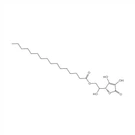
When it comes to skincare, vitamin C is like a rockstar ingredient. It's well - known for its amazing benefits such as brightening the skin, fighting off free radicals, and boosting collagen production. But here's the thing: regular vitamin C can be a bit unstable. That's where vitamin C derivatives come in. Today, I'm gonna talk about Ascorbyl Glucoside (CAS NO.129499 - 78 - 1), a vitamin C derivative that we supply, and how it stacks up against other vitamin C derivatives.
What is Ascorbyl Glucoside?
Ascorbyl Glucoside is a water - soluble vitamin C derivative. It's a stable form of vitamin C, which means it won't easily break down when exposed to air, light, or heat. This is a big plus because many of us have had the frustrating experience of buying a vitamin C serum that turns brown after a few weeks, indicating that the vitamin C has oxidized and lost its effectiveness.
One of the great things about Ascorbyl Glucoside is that it can penetrate the skin easily. Once it's in the skin, enzymes can break it down into ascorbic acid (the active form of vitamin C). This slow - release mechanism ensures that the skin gets a steady supply of vitamin C over time, providing long - lasting benefits.
Comparing with Other Vitamin C Derivatives
Ascorbyl Palmitate
Ascorbyl Palmitate is another popular vitamin C derivative. It's oil - soluble, which makes it a good fit for oil - based skincare products. However, compared to Ascorbyl Glucoside, it's not as efficient in delivering active vitamin C to the skin. The conversion of Ascorbyl Palmitate to ascorbic acid is slower and less effective.
Ascorbyl Glucoside, on the other hand, can be more easily converted to ascorbic acid in the skin. This means that it can start working faster to brighten the skin and reduce the appearance of dark spots. Moreover, since Ascorbyl Glucoside is water - soluble, it can be incorporated into a wider range of formulations, including lotions, gels, and serums.
Sodium Ascorbyl Phosphate
Sodium Ascorbyl Phosphate is a stable vitamin C derivative that's commonly used in skincare. It's water - soluble and has a relatively good stability. But it has some limitations. The conversion of Sodium Ascorbyl Phosphate to ascorbic acid depends on the presence of specific phosphatases in the skin. And these enzymes may not be equally present in all individuals.
In contrast, Ascorbyl Glucoside doesn't rely as much on specific enzymes for its conversion. It can be broken down more uniformly across different skin types. This makes it a more reliable option for providing consistent vitamin C benefits to a wider range of customers.
Tetrahexyldecyl Ascorbate
Tetrahexyldecyl Ascorbate is a newer form of vitamin C derivative known for its high stability and excellent skin penetration. It's oil - soluble and can effectively transport vitamin C into the skin. However, it can sometimes be a bit heavy for some skin types, especially those with oily or acne - prone skin.
Ascorbyl Glucoside, being water - soluble, is generally lighter and less likely to cause clogged pores. This makes it suitable for a broader spectrum of skin types, from dry to oily. It also plays well with other water - based ingredients in skincare formulations, allowing for more versatile product development.


Our Offerings
As a supplier of Ascorbyl Glucoside (CAS NO.129499 - 78 - 1), we take pride in providing high - quality products. Our Ascorbyl Glucoside is produced under strict quality control standards to ensure its purity and effectiveness.
We also offer a range of other related cosmetic raw materials. For example, we have β - Diphosphopyridine Nucleotide(β - NAD)Injection Grade, which is great for its antioxidant and energy - boosting properties in skincare. Pterostilbene ; CAS NO.:537 - 42 - 8 is another powerful antioxidant that can work synergistically with Ascorbyl Glucoside to enhance the overall anti - aging effects of skincare products.
If you're looking for some flavonoid - based ingredients, we have Hesperetin 7 - O - glucoside;CAS NO.31712 - 49 - 9 and Alpha - Glucosyl Hesperidin; CAS NO.: 161713 - 86 - 6. These can add anti - inflammatory and skin - soothing properties to your formulations. And let's not forget Pro - xylane;CAS NO.439685 - 79 - 7, which is excellent for promoting skin hydration and elasticity.
Why Choose Our Ascorbyl Glucoside?
- Stability: As I mentioned earlier, our Ascorbyl Glucoside is highly stable, so your products are likely to have a longer shelf - life.
- Efficacy: Thanks to its efficient conversion to ascorbic acid in the skin, it can deliver real results in terms of skin brightening and anti - aging.
- Versatility: It can be used in various skincare formulations, giving you more flexibility in product development.
- Quality Assurance: We follow strict production and quality control processes to ensure that you get the best - quality Ascorbyl Glucoside.
If you're in the business of skincare product development, I encourage you to reach out to us. Whether you're formulating a new vitamin C serum, a moisturizer, or a sunscreen, our Ascorbyl Glucoside can be a great addition to your product line. We're here to support you in creating high - quality, effective skincare products that your customers will love. So don't hesitate to contact us for more information and to start a procurement discussion.
References
- Pinnell SR. Topical vitamin C: a viable strategy for skin rejuvenation? Dermatol Surg. 2003;29(6):571 - 578.
- Packer L, Tritschler HJ, Wessel K. Alpha - lipoic acid as a biological antioxidant. Free Radic Biol Med. 1995;19(2):227 - 250.
- Choi YJ, Lee JY, Lee YJ, et al. The antioxidant effect of vitamin C derivatives on hydrogen peroxide - induced oxidative stress in human dermal fibroblasts. J Dermatol Sci. 2002;28(3):183 - 192.