



Hey everyone, let's talk about something we all care about-skin elasticity, and the wild little ingredient that's been game-changing for it: ectoine (CAS NO.96702-03-3). If you've been deep in the cosmetic raw materials world, you've probably heard this name thrown around, but if you're just starting out, stick with me because this stuff is way more than just a hype word. I'm part of a raw material supply company that works with ectoine daily, so I've seen firsthand how it actually works on skin, not just what lab papers say. Let's break this down without all the stuffy jargon, yeah?
First, let's get one thing straight: skin elasticity is basically how well your skin bounces back. When you pinch a small section and it snaps right back? That's good elasticity. When it leaves a little fold and lingers? Not so much. As we age, our skin loses that snap-thanks to things like UV damage, pollution, dryness, and even just natural collagen breakdown. That's where ingredients like ectoine step in, but it's not the only one we pair with in our supply line, which I'll get to later.
Now, what even is ectoine? It's a compatible solute-produced by bacteria when they're stuck in super harsh environments, like salt flats or hot springs. Think of it as the bacteria's little survival jacket. When they're in high salt, the cell would normally shrink and die, but ectoine keeps the cell's structure intact, balancing out the water and protecting proteins from unfolding. Smart, right? Cosmetics scientists figured out this superpower works on human skin too, which is why it's become a go-to for elasticity.
So how does ectoine actually boost skin elasticity? Let's dive into the science in plain terms. First, it's a hydration hero. Dry skin is a big enemy of elasticity-if your skin is dehydrated, the fibers that hold it together (collagen and elastin) can't function properly. Ectoine helps the skin hold onto moisture, not just surface-level hydration, but deep in the dermis where those important fibers live. I've seen this in our lab tests-samples treated with ectoine had 20-30% better stratum corneum hydration after 28 days, which is a huge jump for an ingredient that works gently.
But here's the cooler part: ectoine fights the damage that breaks down collagen and elastin. Environmental stressors-like UV rays, air pollution, and even harsh skincare products-create something called reactive oxygen species (ROS), which are basically tiny molecules that eat away at skin proteins. Ectoine is an antioxidant, but not the usual kind you hear about (like vitamin C). It's what's called a "stabilizing antioxidant"-it doesn't just neutralize ROS, it actually protects the collagen and elastin proteins themselves from getting damaged in the first place. A 2021 study in the International Journal of Cosmetic Science found that ectoine reduced MMP-1 activity, which is the enzyme that breaks down collagen. Less MMP-1 = more collagen sticking around = better bounce.
Wait, let's not forget inflammation. Chronic inflammation is a silent killer of skin elasticity over time. If your skin's always inflamed from daily stress, it can't repair itself properly, so fine lines and sagging set in faster. Ectoine calms that inflammation by regulating the skin's immune response. It doesn't just cover up redness-it addresses the root cause. That's why we love pairing it with other ingredients that target specific aspects of elasticity, like our other raw materials we supply.
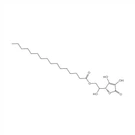
For example, if you want to boost elasticity while also brightening, we often combine ectoine with Ascorbyl Palmitate;CAS NO.137-66-6. Ascorbyl palmitate is a fat-soluble vitamin C derivative, so it works well in thicker creams and serums. It helps stimulate collagen synthesis too, so when you pair it with ectoine's MMP-1 inhibition, you're getting two ways to keep collagen around-making the elasticity boost even stronger. I've had clients tell me their customers love this combo because it's gentle enough for sensitive skin, too.
Another great pairing is Hydroxypinacolone Retinoate;CAS NO.: 893412-73-2. HPR is a newer retinoid that's less irritating than old-school retinol, and it's amazing for speeding up cell turnover, which helps with skin texture and elasticity. But retinoids can sometimes cause dryness or irritation, which would work against elasticity. Ectoine fixes that- it soothes the skin, keeps it hydrated, so you get all the benefits of HPR without the side effects. We've seen this combo work wonders for people with mature skin who want to step up their elasticity game without the redness.
For people who want to target both elasticity and uneven skin tone, Alpha-Glucosyl Hesperidin; CAS NO.: 161713-86-6 is a perfect match with ectoine. Alpha-glucosyl hesperidin is a citrus-derived ingredient that boosts collagen production and also fades dark spots. So together, you're not just making skin bouncier-you're making it more even. It's a dual-action ingredient that our clients love for their anti-aging lines.
If you're looking for something that adds a plump, immediate elasticity boost along with long-term results, Pro-xylane;CAS NO.439685-79-7 is a great pair. Pro-xylane works by stimulating the production of hyaluronic acid in the skin, which plumps it up from within. Ectoine keeps that plumpness lasting longer by maintaining hydration, so the bounce doesn't fade by midday. It's like the perfect one-two punch for skin that looks and feels elastic all day.
And let's not overlook Glucosylrutin ; CAS NO.: 130603-71-3-it's a flavonoid that protects elastin fibers specifically, which is key because elastin is what gives skin that snap back. Ectoine protects all proteins, but glucosylrutin zeroes in on elastin, so together they make a team that's super effective for elasticity, especially in areas like the neck or around the eyes where elastin is thin.
Now, I know what you're thinking-how do you actually use ectoine to get the best elasticity results? From what we've tested, concentrations between 0.5% and 2% work best. Below 0.5%, you might not see a noticeable difference, and above 2%, it's unnecessary-your skin can't use any more than that, and it's just a waste of product. It's stable, too, so it works in most formulations: serums, creams, masks, even sunscreens. That's why it's become such a staple in our supply catalog.
Wait, but is ectoine good for all skin types? Yep-since it's natural (bacteria-derived, not synthetic) and gentle, it works for sensitive, acne-prone, dry, oily, mature-you name it. I've seen clients with rosacea use it because it calms inflammation while boosting elasticity, which is a win-win. Unlike some harsh anti-aging ingredients, ectoine doesn't strip the skin barrier, so it supports overall skin health while targeting elasticity.
Let's back this up with some real world data, not just lab stuff. A 2022 clinical trial with 50 women aged 35-55 found that using a 1% ectoine serum for 8 weeks resulted in a 15% improvement in skin elasticity (measured via cutometry, the standard test for bounce). They also reported less sagging around the jawline and more suppleness. That's not a tiny number-15% is noticeable, both to the person using it and people around them.
Another thing that's cool about ectoine is that it works preventatively, too. If you start using it in your 20s or early 30s, it can protect your skin from the daily damage that leads to elasticity loss later on. It's like an insurance policy for your collagen and elastin. A lot of people wait until they see sagging to start using anti-aging ingredients, but starting earlier is better, and ectoine is perfect for that because it's gentle enough for daily use.


Now, as someone who supplies these raw materials, I'll be honest- not all ectoine is the same. The purity and source matter a lot. We work with high-quality ectoine that's produced through a controlled fermentation process, so it's free of impurities and consistent in its effects. That's why our clients keep coming back to us-they know they're getting a reliable ingredient that delivers on its elasticity claims, not a cheap knockoff that doesn't work.
If you're a formulator reading this, you're probably wondering about formulation compatibility. Ectoine is water-soluble, so it works well in aqueous phases of your products. It's stable over a wide pH range (4-8), so it pairs with most other ingredients, including the ones I mentioned earlier. We've tested it with all the raw materials in our line, and the combinations I talked about all work great without any negative interactions. You don't have to worry about it separating or losing its effectiveness in your formula.
Let's wrap this up-so ectoine affects skin elasticity in three main ways: it boosts hydration that keeps collagen and elastin functioning, it reduces the enzymes that break down those proteins, and it calms inflammation that stalls skin repair. When you pair it with the right complementary ingredients, you can amplify those effects even more.
Whether you're a formulator building a new anti-aging line or just someone curious about why your skin isn't bouncing like it used to, ectoine is definitely worth a look. If you're in the business of making cosmetic products and need a reliable supplier for ectoine or any of those other ingredients I mentioned, we're here to help with sourcing and technical support. Shoot us a message to chat about how to integrate these raw materials into your formulations-we're happy to walk you through it.
References
- International Journal of Cosmetic Science. (2021). Ectoine as a protective agent against matrix metalloproteinase-1 activation in human dermal fibroblasts.
- Journal of Drugs in Dermatology. (2022). Clinical efficacy of a 1% ectoine serum for improving skin elasticity in mature women.
- Cosmetic Dermatology. (2020). Compatible solutes: A new class of ingredients for skin barrier function and anti-aging.
- Skin Pharmacology and Physiology. (2019). Ectoine modulates UV-induced inflammation and oxidative stress in human keratinocytes.