




Hey there! As a supplier of wholesale functional food raw materials, I've had the pleasure of working with countless brands looking to create top - notch functional food products. One of the most common questions I get is, "How can we optimize the use of these raw materials in product formulation?" Well, let's dive right in and explore some key strategies.
Understanding Your Target Audience
First things first, you gotta understand who you're making the product for. Different age groups, genders, and lifestyles have different nutritional needs. For instance, if you're targeting athletes, your product might need higher amounts of amino acids and energy - boosting compounds. On the flip side, if your focus is on the elderly, ingredients that support joint health and cognitive function could be a game - changer.
Let's say you're considering formulating a product for people suffering from sleep disorders. You might want to look into Melatonine. Melatonin is a hormone that regulates the sleep - wake cycle. By including it in your product, you can offer a natural solution to those having trouble catching some Z's. But it's crucial to know the right dosage. Too much can lead to side effects like grogginess, while too little might not have any effect at all.
Quality of Raw Materials
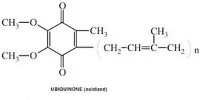
The quality of your raw materials is non - negotiable. Using high - grade ingredients ensures the efficacy and safety of your final product. As a supplier, I take pride in offering top - shelf functional food raw materials. For example, Coenzyme Q10 (Ubidecarenone) is an antioxidant that plays a vital role in energy production within cells. If the CoQ10 you use is of poor quality, it might not provide the intended health benefits.
When sourcing raw materials, look for suppliers who can provide detailed certificates of analysis (COA). A COA shows the purity, potency, and other important characteristics of the raw material. This way, you can be confident that you're getting what you pay for.
Ingredient Compatibility
Not all ingredients play well together. Some can interact in ways that reduce their effectiveness or even cause harm. That's why it's crucial to understand ingredient compatibility. For example, if you're including Nicotinamide, a form of vitamin B3, in your product, you need to be aware of how it might interact with other components.
Let's consider a scenario where you're formulating a multi - nutrient supplement. You have added nicotinamide for its skin - health and energy - boosting properties. But if you also include a high - dose of another B - vitamin that has a similar metabolic pathway, it could lead to an imbalance in the body. So, do your research or consult with a nutritionist or a formulation expert to ensure that all the ingredients in your product work in harmony.
Dosage Determination
Figuring out the right dosage is a bit like walking a tightrope. You want to provide enough of the functional ingredient to achieve the desired health benefit, but not so much that it becomes a health risk. Take 4 - Aminobutyric Acid(GABA);CAS NO.: 56 - 12 - 2 as an example. GABA is a neurotransmitter that helps to calm the brain and reduce anxiety.
The recommended daily intake of GABA can vary depending on the individual's age, weight, and overall health. In product formulation, you need to consider these factors and also the form in which the product will be consumed. For example, if it's a liquid supplement, the dosage might need to be different compared to a capsule.
Cost - Effectiveness
In the business of functional food production, cost - effectiveness is key. You want to create a high - quality product that provides value to your customers, but you also need to keep your bottom line in mind. As a supplier, I work closely with my clients to find the best balance between quality and cost.
One way to achieve cost - effectiveness is by looking at different sources of raw materials. Sometimes, a particular ingredient might be more affordable from one supplier compared to another. But remember, never compromise on quality. You can also consider bulk purchasing. Buying in large quantities often allows you to get a better price per unit.
Regulatory Compliance
Navigating the world of regulations can be a headache, but it's essential for the success of your product. Different countries and regions have different rules regarding the use of functional food raw materials. For example, certain ingredients might be restricted or require special labeling in some areas.
Before you start formulating your product, make sure you're aware of all the relevant regulations. This will save you a lot of time, money, and headaches in the long run. You might want to consult with a regulatory expert to ensure that your product meets all the necessary requirements.
Testing and Validation
Once you've formulated your product, the work doesn't stop there. You need to test and validate it to make sure it delivers the promised health benefits. This can involve conducting in - house tests or working with independent research institutions.
For example, if your product contains Phosphatidylserine, which is known to support cognitive function, you can conduct a small - scale study on a group of participants. Monitor their cognitive performance before and after using the product to see if there are any improvements.


Flexibility and Adaptability
The functional food market is constantly evolving. New research findings come out all the time, and consumer preferences change rapidly. That's why it's important to be flexible and adaptable in your product formulation.
If a new ingredient becomes popular for its health benefits, you should be open to exploring whether it can be incorporated into your existing products or used to develop new ones. At the same time, stay updated on the latest market trends to ensure that your products remain competitive.
In conclusion, optimizing the use of wholesale functional food raw materials in product formulation is a complex but rewarding process. It involves understanding your target audience, using high - quality ingredients, ensuring ingredient compatibility, determining the right dosage, being cost - effective, complying with regulations, testing and validating your product, and being flexible.
If you're interested in working with high - quality wholesale functional food raw materials for your product formulation, I'd love to talk to you. Whether you're just starting out or looking to improve an existing product, I can provide you with the raw materials and expertise you need.
References
- Davidson, S. (2019). Functional Foods: A Guide to Nutraceuticals and Health - promoting Foods. Oxford University Press.
- FAO. (2020). Guidelines on the Use of Functional Food Ingredients. Food and Agriculture Organization.
- WHO. (2021). Nutritional Supplements and Functional Foods: A Global Perspective. World Health Organization.