



Tranexamic acid, identified by CAS NO. 1197 - 18 - 8, is a well - known synthetic derivative of the amino acid lysine. It has gained significant attention in the medical and cosmetic industries due to its anti - fibrinolysis properties and skin - brightening effects. As a trusted supplier of Tranexamic acid, I am often asked about how food intake can influence this compound. In this blog, we will explore the relationship between food intake and Tranexamic acid, and provide some insights for those interested in using this product.
The Basics of Tranexamic Acid
Tranexamic acid works by binding to plasminogen and plasmin, inhibiting the activation of plasminogen to plasmin and the subsequent breakdown of fibrin. In the medical field, it is commonly used to control excessive bleeding during surgeries, treat heavy menstrual bleeding, and manage conditions related to hyperfibrinolysis. In the cosmetic industry, it is valued for its ability to reduce melanin production, thus helping to lighten dark spots, melasma, and uneven skin tone.
How Food Intake Affects Absorption
The absorption of Tranexamic acid can be influenced by food intake. When taken orally, the presence of food in the stomach can alter the rate and extent of absorption. Generally, taking Tranexamic acid on an empty stomach allows for faster absorption. This is because food can delay gastric emptying, which means that the drug stays in the stomach for a longer time before entering the small intestine where most of the absorption occurs.


Some foods may also interact with Tranexamic acid at a chemical level. For example, high - fiber foods can potentially bind to the drug in the gastrointestinal tract, reducing its bioavailability. On the other hand, certain fatty foods might enhance the solubility of Tranexamic acid in the gut, leading to better absorption in some cases. However, more research is needed to fully understand these complex interactions.
Effects of Specific Nutrients
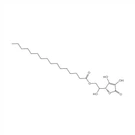
- Vitamin C and Tranexamic Acid: Vitamin C is a well - known antioxidant that is often used in combination with Tranexamic acid in skincare products. When considering oral intake, foods rich in vitamin C, such as citrus fruits, strawberries, and bell peppers, may have a synergistic effect with Tranexamic acid. Vitamin C can enhance the antioxidant capacity of the body, and in combination with Tranexamic acid's anti - melanogenic properties, it may provide better results in skin lightening. You can also explore Ascorbyl Palmitate; CAS NO.137 - 66 - 6, which is a more stable form of vitamin C and can be used in cosmetic formulations.
- Flavonoids and Tranexamic Acid: Flavonoids are a group of polyphenolic compounds found in many fruits, vegetables, and herbs. They have antioxidant, anti - inflammatory, and anti - cancer properties. Some flavonoids may interact with Tranexamic acid and potentially enhance its effects. For example, Glucosylrutin ; CAS NO.: 130603 - 71 - 3 is a flavonoid derivative that can be used in cosmetics. It may work in tandem with Tranexamic acid to improve skin health and appearance.
- Omega - 3 Fatty Acids: Omega - 3 fatty acids, found in fatty fish like salmon, mackerel, and sardines, have anti - inflammatory properties. They can improve blood circulation and may influence the delivery of Tranexamic acid to the target tissues. By reducing inflammation in the body, omega - 3 fatty acids may also enhance the overall effectiveness of Tranexamic acid, especially in conditions where inflammation is a contributing factor.
Food - Drug Interactions
It is important to note that some foods may have adverse interactions with Tranexamic acid. For example, foods that are high in vitamin K, such as kale, spinach, and broccoli, can interfere with the anti - fibrinolysis effect of Tranexamic acid. Vitamin K plays a crucial role in blood clotting, and an excessive intake of vitamin K - rich foods may counteract the action of Tranexamic acid in preventing bleeding.
Implications for Cosmetic Use
In the cosmetic industry, the relationship between food intake and Tranexamic acid can have practical implications. When using Tranexamic acid - based skincare products, consumers may want to consider their diet to optimize the results. A diet rich in fruits, vegetables, and healthy fats can support the skin - lightening and anti - aging effects of Tranexamic acid.
Moreover, for cosmetic formulators, understanding these interactions can help in developing more effective products. For example, formulating products that contain both Tranexamic acid and other nutrients that have synergistic effects can enhance the overall performance of the cosmetic. (S)-Pro - xylane; CAS NO.: 868156 - 46 - 1 is another ingredient that can be combined with Tranexamic acid in cosmetic formulations to provide multiple benefits for the skin.
Conclusion
Food intake can have a significant impact on the effectiveness of Tranexamic acid, whether it is used for medical or cosmetic purposes. By being aware of how different foods interact with Tranexamic acid, consumers can make more informed decisions about their diet when using this compound. For medical patients, it is essential to follow the doctor's advice regarding food intake when taking Tranexamic acid. In the cosmetic field, a holistic approach that combines proper skincare with a balanced diet can lead to better results.
As a reliable supplier of Tranexamic acid (CAS NO. 1197 - 18 - 8), we are committed to providing high - quality products and sharing our knowledge about this versatile compound. If you are interested in purchasing Tranexamic acid for medical or cosmetic applications, please feel free to contact us for more information and to discuss your specific needs. We look forward to establishing a long - term partnership with you.
References
- Bick RL. The mechanism of action of tranexamic acid. Semin Thromb Hemost. 2009;35(4):345 - 350.
- Shah M, Pandya AG. Use of tranexamic acid for the treatment of melasma: a review. J Drugs Dermatol. 2017;16(11):1123 - 1128.
- Bailey DG, Dresser GK, Bend JR. Drug - food interactions: an update. Br J Clin Pharmacol. 2013;75(3):525 - 536.