



Ceramides Mixture Ⅲ, with the CAS NO. 100403 - 19 - 8, is a crucial ingredient in the cosmetic and skincare industries. As a well - established supplier of Ceramides Mixture Ⅲ, I have been closely observing how environmental factors, especially humidity, can potentially influence its quality during storage.


Role of Ceramides Mixture Ⅲ in Cosmetics
Before diving into the impact of humidity on its storage, let's first understand why Ceramides Mixture Ⅲ is so important in the cosmetic world. Ceramides are natural lipids found in the outermost layer of our skin, the stratum corneum. They play a vital role in maintaining the skin's moisture barrier, preventing water loss, and protecting the skin from external irritants. Ceramides Mixture Ⅲ is a synthesized blend designed to mimic the natural ceramides in our skin. It helps to strengthen the skin barrier, making the skin more resilient, hydrated, and smooth.
In skincare products, such as moisturizers, serums, and creams, Ceramides Mixture Ⅲ is often used to address issues like dryness, irritation, and premature aging. Many consumers actively seek products containing ceramics to improve the overall health and appearance of their skin. Thus, ensuring the quality of Ceramides Mixture Ⅲ during storage is of utmost importance to guarantee the efficacy of the final products.
How Humidity Might Impact Ceramides Mixture Ⅲ
Humidity is the amount of water vapor present in the air. High levels of humidity can introduce several potential problems for the storage of Ceramides Mixture Ⅲ.
Chemical Reaction
Excessive humidity may lead to chemical reactions in the mixture. Water molecules in the air can act as a catalyst or a reactant, potentially breaking down the chemical structure of Ceramides Mixture Ⅲ. If the chemical bonds are disrupted, the mixture may lose its ability to function as an effective skin - barrier enhancer. For example, hydrolysis may occur, where water reacts with the lipid components of the mixture, leading to the formation of new and potentially less - effective compounds.
Microbial Growth
Moisture provides an ideal environment for the growth of microorganisms such as bacteria, fungi, and yeast. When Ceramides Mixture Ⅲ is stored in a high - humidity environment, these microorganisms can easily proliferate. Microbial contamination not only compromises the safety of the product but also can degrade the quality of the mixture. Fungi, for instance, can produce enzymes that break down lipids, which will significantly reduce the effectiveness of Ceramides Mixture Ⅲ as a skincare ingredient.
Physical Changes
Humidity can also cause physical changes to Ceramides Mixture Ⅲ. It may lead to clumping or caking of the powder or semi - solid form of the mixture. Such physical changes make it difficult to handle and measure the ingredient accurately during the manufacturing process of cosmetics. Moreover, the clumped substance may not disperse evenly in the cosmetic formulations, resulting in inconsistent product quality.
Scientific Studies on the Effect of Humidity
Although there is a lack of a large number of comprehensive studies specifically focused on Ceramides Mixture Ⅲ (CAS NO. 100403 - 19 - 8) and humidity, research on related lipid - based compounds can provide some insights.
Studies on lipid - rich substances have shown that high relative humidity can accelerate oxidation processes. Oxidation can lead to the formation of free radicals, which can damage the integrity of the lipid molecules. When lipids are oxidized, they may change their physical and chemical properties, such as melting point and solubility. These changes can have a negative impact on the performance of ceramides in skincare products.
It is also worth noting that the optimal storage condition for most lipid - based cosmetic ingredients usually involves a low - humidity environment. Maintaining a relative humidity below 60% is generally recommended to prevent degradation and ensure product stability.
Our Storage Practices
As a reliable supplier of Ceramides Mixture Ⅲ, we take strict measures to ensure the quality of our products during storage. We store our Ceramides Mixture Ⅲ in a controlled - environment facility. The humidity in our storage area is carefully monitored and maintained at a low level, typically between 30% - 50% relative humidity. This helps to minimize the risk of chemical reactions, microbial growth, and physical changes that could affect the quality of the mixture.
We also package our Ceramides Mixture Ⅲ in moisture - resistant containers. These containers are designed to prevent water vapor from entering the product, providing an additional layer of protection. Additionally, we conduct regular quality checks on our stored products to ensure that they meet the highest standards.
Comparison with Other Cosmetic Ingredients
When comparing Ceramides Mixture Ⅲ with other popular cosmetic ingredients, we can see that different ingredients have different sensitivities to humidity.
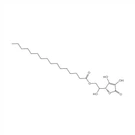
For example, Ascorbyl Tetraisopalmitate (VCIP) (CAS NO.: 183476 - 82 - 6) is a form of vitamin C that is more stable than regular vitamin C. However, it can still be affected by humidity. High humidity may increase the rate of oxidation of VCIP, leading to a loss of its antioxidant properties.
Pro - Xylane Solution 30% (CAS NO.439685 - 79 - 7) is a glycosaminoglycan - stimulator that is relatively stable under normal storage conditions. But in a high - humidity environment, it may be at risk of microbial contamination and degradation of its active components.
Ectoine (CAS NO.96702 - 03 - 3), a natural amino acid derivative, is known for its excellent stability. However, long - term exposure to high humidity can still have a minor impact on its physical and chemical properties.
Conclusion and Call to Action
In conclusion, humidity can have a significant impact on the storage of Ceramides Mixture Ⅲ (CAS NO. 100403 - 19 - 8). Excessive humidity can lead to chemical reactions, microbial growth, and physical changes, all of which can compromise the quality and effectiveness of the mixture. As a supplier, we are committed to providing high - quality Ceramides Mixture Ⅲ by implementing strict storage measures to minimize the effects of humidity.
If you are in the cosmetic or skincare industry and are looking for a reliable source of Ceramides Mixture Ⅲ, we would love to connect with you. We can offer you high - quality products, extensive knowledge about the ingredient, and excellent customer service. Feel free to reach out to us to discuss your procurement needs and start a long - term partnership.
References
- “Lipid Oxidation in Food Systems” - Journal of Food Science
- “Microbial Growth in Cosmetic Raw Materials” - International Journal of Cosmetic Science
- “Impact of Environmental Factors on Cosmetic Ingredients” - Cosmetics & Toiletries Magazine