



Ascorbyl Glucoside (CAS NO.129499-78-1) is a fascinating compound that has gained significant attention in various industries, especially in cosmetics and skincare. As a supplier of Ascorbyl Glucoside, I'm excited to share some insights into its chemical properties with you.
Structure and Composition
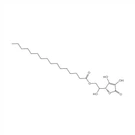
First off, let's talk about its structure. Ascorbyl Glucoside is a stable derivative of vitamin C (ascorbic acid). It's formed by attaching a glucose molecule to the ascorbic acid at the C-2 position. This modification is crucial as it addresses one of the major drawbacks of pure ascorbic acid - its instability. Pure ascorbic acid is highly reactive and easily oxidizes when exposed to air, light, or heat. By adding the glucose moiety, Ascorbyl Glucoside becomes much more stable, making it a preferred choice in many formulations.
The chemical formula of Ascorbyl Glucoside is C₁₂H₁₈O₉. This formula tells us a lot about its composition. It contains carbon (C), hydrogen (H), and oxygen (O) atoms, which are the building blocks of many organic compounds. The presence of these elements gives Ascorbyl Glucoside certain characteristics that influence its behavior in different environments.
Solubility
One of the important chemical properties of Ascorbyl Glucoside is its solubility. It's water - soluble, which is a great advantage in cosmetic and pharmaceutical applications. In skincare products, for example, water - soluble ingredients can easily penetrate the skin's outer layer, the stratum corneum. This is because the skin has a high water content in its upper layers, and water - soluble substances can dissolve in this aqueous environment and be transported deeper into the skin.
The solubility of Ascorbyl Glucoside also makes it easy to incorporate into various formulations. Whether it's a lotion, serum, or cream, it can be evenly dispersed in the product, ensuring that each application delivers a consistent amount of the active ingredient.
pH Sensitivity
Ascorbyl Glucoside is relatively stable over a wide pH range compared to pure ascorbic acid. Pure ascorbic acid is most stable at a low pH (around 3 - 4), which can be irritating to the skin. In contrast, Ascorbyl Glucoside can maintain its stability at a more neutral pH, typically between 5 - 7. This makes it suitable for a broader range of skin types, including sensitive skin.
The stability at a more neutral pH also means that it can be combined with other ingredients that may not be compatible with the low - pH environment required for pure ascorbic acid. For example, some beneficial plant extracts or other active compounds may degrade or lose their effectiveness at low pH, but they can co - exist with Ascorbyl Glucoside in a formulation with a more neutral pH.
Reducing Properties
Like its parent compound, ascorbic acid, Ascorbyl Glucoside is a reducing agent. A reducing agent is a substance that donates electrons to other molecules. In the context of skincare, this reducing property is beneficial because it can help to neutralize free radicals. Free radicals are unstable molecules that can damage cells, including skin cells. They're produced by various factors such as UV radiation, pollution, and stress.
When Ascorbyl Glucoside acts as a reducing agent, it donates electrons to free radicals, stabilizing them and preventing them from causing damage to the skin. This antioxidant activity is one of the main reasons why Ascorbyl Glucoside is so popular in anti - aging skincare products. It can help to reduce the appearance of fine lines and wrinkles, improve skin texture, and protect the skin from environmental damage.
Hydrolysis
Under certain conditions, Ascorbyl Glucoside can undergo hydrolysis. Hydrolysis is a chemical reaction in which a compound reacts with water and breaks down into smaller components. In the case of Ascorbyl Glucoside, hydrolysis can result in the release of ascorbic acid and glucose.
This hydrolysis process can be controlled and utilized in cosmetic formulations. For example, when Ascorbyl Glucoside is applied to the skin, the slightly acidic environment and the presence of enzymes on the skin's surface can trigger a slow hydrolysis reaction. This means that ascorbic acid is gradually released over time, providing a sustained supply of the active antioxidant to the skin.
Compatibility with Other Ingredients
Ascorbyl Glucoside is compatible with a wide range of other ingredients commonly used in cosmetics and skincare products. It can be combined with other antioxidants such as Alpha - Glucosyl Hesperidin; CAS NO.: 161713 - 86 - 6. Alpha - Glucosyl Hesperidin is also an antioxidant that can enhance the overall antioxidant activity of the formulation. When used together, they can provide a more comprehensive protection against free radicals.


It can also be paired with Pterostilbene ; CAS NO.:537 - 42 - 8. Pterostilbene has anti - inflammatory and anti - aging properties. The combination of Ascorbyl Glucoside and Pterostilbene can create a synergistic effect, improving the skin's appearance and health in multiple ways.
Another compatible ingredient is Ectoine;CAS NO.96702 - 03 - 3. Ectoine is known for its ability to protect cells from environmental stress and maintain the skin's moisture balance. When added to a formulation with Ascorbyl Glucoside, it can help to keep the skin hydrated while the Ascorbyl Glucoside provides antioxidant protection.
Conclusion
In conclusion, Ascorbyl Glucoside has a set of unique chemical properties that make it a valuable ingredient in cosmetics and other industries. Its stability, solubility, reducing properties, and compatibility with other ingredients make it an ideal choice for formulators looking to create effective and high - quality products.
If you're in the business of formulating cosmetics, pharmaceuticals, or other products that could benefit from the properties of Ascorbyl Glucoside, I invite you to get in touch with me. I'm a reliable supplier of Ascorbyl Glucoside and can provide you with high - quality products at competitive prices. Let's start a conversation about how we can work together to bring innovative and effective products to the market.
References
- “Ascorbic Acid and Its Derivatives in Cosmetics: A Review.” Journal of Cosmetic Science, vol. 65, no. 3, 2014.
- “Stability and Antioxidant Activity of Ascorbyl Glucoside in Different Formulations.” International Journal of Cosmetic Science, vol. 38, no. 2, 2016.
- “The Role of Reducing Agents in Skincare.” Dermatology Research and Practice, vol. 2018, 2018.