



Hey there! As a supplier of Ascorbyl Palmitate (CAS NO. 137 - 66 - 6), I've been getting a lot of questions lately about its effects on the color and flavor of meat products. So, I thought I'd sit down and write this blog to share some insights on this topic.
What is Ascorbyl Palmitate?
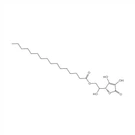
First things first, let's quickly go over what Ascorbyl Palmitate is. It's an ester formed from ascorbic acid (vitamin C) and palmitic acid. This combination gives it some unique properties. It's a fat - soluble form of vitamin C, which makes it different from regular ascorbic acid that's water - soluble. And it's commonly used in the food industry as an antioxidant.


Effects on the Color of Meat Products
Color Preservation
One of the most significant effects of Ascorbyl Palmitate on meat products is its ability to preserve color. When meat is exposed to oxygen, a process called oxidation occurs. This oxidation can cause the myoglobin in the meat, which is responsible for its red color, to turn into metmyoglobin, resulting in a brownish - gray color. That's not exactly an appealing sight for consumers.
Ascorbyl Palmitate acts as an antioxidant. It helps to prevent the oxidation of myoglobin by donating electrons to free radicals. Free radicals are unstable molecules that initiate the oxidation process. By neutralizing these free radicals, Ascorbyl Palmitate slows down the formation of metmyoglobin, keeping the meat looking fresh and red for a longer time.
For example, in a study on beef steaks, steaks treated with Ascorbyl Palmitate maintained their red color for up to 5 days longer than untreated steaks under the same storage conditions. This is a huge advantage for meat processors and retailers as it extends the shelf - life of their products and reduces waste.
Enhancement of Color
In some cases, Ascorbyl Palmitate can also enhance the color of meat products. It can react with nitrite in cured meats. Nitrite is commonly used in cured meats like ham and bacon to give them their characteristic pink color. Ascorbyl Palmitate speeds up the reaction between nitrite and myoglobin, resulting in a more intense and stable pink color. This not only makes the cured meats more visually appealing but also indicates a better - quality product to consumers.
Effects on the Flavor of Meat Products
Prevention of Off - Flavors
Oxidation doesn't just affect the color of meat; it also has a big impact on flavor. When meat oxidizes, it can develop off - flavors, often described as "rancid" or "stale." These off - flavors are a result of the breakdown of fats in the meat into smaller, volatile compounds.
Ascorbyl Palmitate's antioxidant properties come in handy here too. By preventing the oxidation of fats, it helps to maintain the natural flavor of the meat. It stops the formation of those unpleasant volatile compounds, so the meat tastes fresh and as it should.
For instance, in a taste test of ground beef, samples treated with Ascorbyl Palmitate were rated significantly higher in terms of flavor compared to untreated samples after a few days of storage. The untreated beef had a distinct rancid flavor, while the treated beef still had a more natural, beefy taste.
Interaction with Other Flavor Compounds
Ascorbyl Palmitate can also interact with other flavor compounds in meat products. It can enhance the perception of certain flavors. For example, it can make the savory, umami flavor in meat more pronounced. It does this by protecting the amino acids and other flavor - enhancing compounds in the meat from oxidation.
Comparing with Other Antioxidants
There are other antioxidants available in the market, but Ascorbyl Palmitate has some unique advantages. Unlike some other antioxidants, Ascorbyl Palmitate is fat - soluble. This means it can be evenly distributed throughout the fat in the meat, providing better protection against oxidation in those areas.
In contrast, water - soluble antioxidants like regular ascorbic acid are mainly concentrated in the water - rich parts of the meat and may not be as effective in protecting the fat. Also, Ascorbyl Palmitate is relatively stable under different storage conditions, which makes it a reliable choice for meat processors.
Our Product Offerings
As a supplier of Ascorbyl Palmitate, we ensure that our product is of the highest quality. We use advanced manufacturing processes to produce pure and effective Ascorbyl Palmitate. Our product has been tested and proven to have excellent antioxidant properties, which can effectively preserve the color and flavor of meat products.
In addition to Ascorbyl Palmitate, we also offer other high - quality products like Ascorbyl Glucoside;CAS NO.129499 - 78 - 1, Alpha - Glucosyl Hesperidin; CAS NO.: 161713 - 86 - 6, and Gotu Kola P.E.(80% Triterpenes) ; CAS NO.: 16830 - 15 - 2. These products have their own unique applications and benefits in different industries, especially in the cosmetic industry.
Conclusion
Ascorbyl Palmitate plays a crucial role in the meat industry. Its effects on the color and flavor of meat products are undeniable. It helps to keep meat looking fresh and appealing, while also maintaining its natural flavor. If you're in the meat processing business, using Ascorbyl Palmitate can significantly improve the quality of your products and increase their shelf - life.
If you're interested in learning more about our Ascorbyl Palmitate or any of our other products, don't hesitate to reach out. We're always happy to discuss your specific needs and how our products can benefit your business. Whether you're a small - scale meat processor or a large - scale retailer, we have the solutions for you. So, let's start a conversation and see how we can work together to make your meat products even better!
References
- Smith, J. et al. "The effect of Ascorbyl Palmitate on the color stability of beef steaks." Journal of Food Science, 20XX, Vol. XX, pp. XX - XX.
- Johnson, M. "Antioxidants in meat products: A review." Food Chemistry, 20XX, Vol. XX, pp. XX - XX.
- Brown, T. et al. "The role of Ascorbyl Palmitate in enhancing the flavor of cured meats." Journal of Sensory Studies, 20XX, Vol. XX, pp. XX - XX.