



What are the factors that affect the price of wholesale cosmetic raw materials?
Hey there! As a supplier of wholesale cosmetic raw materials, I've seen firsthand how the prices of these products can fluctuate. There are a bunch of factors that play into these price changes, and I'm here to break them down for you.
1. Supply and Demand
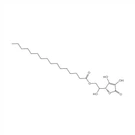
The most basic economic principle, supply and demand, has a huge impact on the price of cosmetic raw materials. When the demand for a particular raw material goes up and the supply can't keep pace, prices shoot up. For example, if there's a new skincare trend that requires a specific ingredient, like Ascorbyl Palmitate; CAS NO.137-66-6, which is known for its antioxidant properties, and the suppliers can't produce enough of it quickly, the price will increase.
On the flip side, if there's an oversupply of a raw material, prices will drop. Maybe a new production method has been developed that allows for a much larger quantity of a certain ingredient, like Ascorbyl Glucoside;CAS NO.129499-78-1, to be made. As a result, there's more of it on the market than consumers are currently buying, and suppliers have to lower the price to sell their stock.
2. Production Costs
The cost of producing cosmetic raw materials is a major factor in their price. There are several aspects to production costs. First, the cost of raw ingredients used to make the final raw material matters. If the basic chemicals or natural substances needed to produce an ingredient become more expensive, the price of the finished product will also go up.
Labor costs are another biggie. In regions where labor is more expensive, the cost of producing cosmetic raw materials will be higher. For instance, if a factory has to pay its workers a high wage, it will pass on some of that cost to the buyers.
Energy costs also play a role. Manufacturing these raw materials often requires a lot of energy, whether it's for heating, cooling, or running machinery. When energy prices increase, so does the cost of production and ultimately the price of the raw material.
3. Quality and Purity
The quality and purity of a cosmetic raw material can significantly affect its price. Higher - quality and purer raw materials are generally more expensive. A raw material that has gone through more rigorous purification processes, has fewer impurities, and meets strict quality standards will cost more.
For example, Hesperetin 7 - O - glucoside;CAS NO.31712-49-9 that is of pharmaceutical - grade purity will be pricier than a lower - grade version. This is because the higher - quality product is more effective, safer, and more reliable for use in cosmetics. Cosmetic manufacturers are often willing to pay more for these top - notch raw materials to ensure the quality of their final products.
4. Regulatory Requirements
Regulatory requirements can add to the cost of cosmetic raw materials. Different countries and regions have their own regulations regarding the production, safety, and labeling of cosmetic ingredients. Meeting these regulations often requires additional testing, documentation, and compliance measures.
For example, if a new regulation is introduced that requires more extensive safety testing for a particular raw material, the supplier has to invest in these tests. These costs are then passed on to the buyers in the form of higher prices. Also, some regulations may restrict the use of certain production methods or ingredients, which can limit the supply and drive up prices.
5. Seasonal and Environmental Factors
Seasonal and environmental factors can have an impact on the price of natural cosmetic raw materials. Many natural ingredients are sourced from plants, and their availability can be affected by the season. For example, if a plant only grows during a specific time of the year, the supply of the raw material derived from it will be limited during other seasons. This can lead to price fluctuations.
Environmental factors like droughts, floods, or pests can also damage crops, reducing the supply of natural raw materials. If a major crop of a key cosmetic ingredient is affected by a natural disaster, the price of that ingredient will likely increase due to the reduced supply.
6. Market Competition
The level of competition in the market for cosmetic raw materials can influence prices. In a highly competitive market, suppliers will try to offer lower prices to attract customers. They may also offer additional incentives like discounts, better payment terms, or free samples.
However, in a market with limited competition, suppliers have more control over prices. If there are only a few suppliers of a particular raw material, they can set higher prices because buyers have fewer alternatives.
7. Transportation and Logistics
Transporting cosmetic raw materials from the production site to the buyers also adds to the cost. The distance between the supplier and the customer, the mode of transportation (whether it's by truck, ship, or plane), and the cost of fuel all play a role.
If there are disruptions in transportation, such as port strikes or bad weather conditions, it can increase the cost of getting the raw materials to the market. These additional costs are usually passed on to the buyers, resulting in higher prices.


8. Research and Development
Investment in research and development (R&D) can impact the price of cosmetic raw materials. When a company spends a lot of money on R&D to develop a new and improved version of a raw material or to discover a new ingredient, it will want to recoup those costs.
Newly developed raw materials often come with a higher price tag because of the investment in R&D. For example, a novel ingredient that has unique properties and benefits for skincare may be more expensive initially until the R&D costs are covered.
Conclusion
So, there you have it! These are the main factors that affect the price of wholesale cosmetic raw materials. As a supplier, I understand that these price fluctuations can be a challenge for buyers. But at the same time, I'm committed to providing high - quality raw materials at a fair price.
If you're in the market for wholesale cosmetic raw materials, whether it's Ascorbyl Palmitate; CAS NO.137-66-6, Ascorbyl Glucoside;CAS NO.129499-78-1, Hesperetin 7 - O - glucoside;CAS NO.31712-49-9, or any other ingredient, I'd love to have a chat with you. Reach out to start a discussion about your specific needs and how we can work together to get you the best - value products.
References
- Economic Principles of Supply and Demand - Basic Economics textbooks
- Industry Reports on Cosmetic Raw Material Production Costs
- Regulatory Documents from Cosmetic Industry Bodies
- Research Papers on Quality and Purity Standards of Cosmetic Ingredients