



Bubble baths are a luxurious and relaxing addition to anyone's self - care routine. As a supplier of cosmetic raw materials, I'm often asked about the key ingredients that go into making these delightful products. In this blog, I'll take you through the various raw materials used in bubble bath formulations, their functions, and why they are essential for creating a high - quality bubble bath.
Surfactants: The Bubble - Making Heroes
Surfactants are the most crucial raw materials in bubble baths. They reduce the surface tension of water, allowing bubbles to form and persist. There are several types of surfactants commonly used in bubble bath products.
Anionic Surfactants
Anionic surfactants are widely used due to their excellent foaming properties. Sodium lauryl sulfate (SLS) and sodium laureth sulfate (SLES) are two of the most well - known anionic surfactants. SLS is a powerful cleanser and foaming agent, but it can be harsh on the skin, especially for those with sensitive skin. SLES, on the other hand, is a milder alternative. It has an ethylene oxide group that makes it less irritating.
Another popular anionic surfactant is sodium cocoyl isethionate. Derived from coconut oil, it is mild, biodegradable, and produces a rich, creamy lather. It is often used in natural and organic bubble bath formulations.


Amphoteric Surfactants
Amphoteric surfactants are known for their mildness and ability to balance the harshness of other surfactants. Cocamidopropyl betaine is a commonly used amphoteric surfactant. It is compatible with both anionic and cationic surfactants and helps to reduce the irritation potential of SLS and SLES. It also enhances the foam quality, making it more stable and creamy.
Fragrances: The Scent of Relaxation
Fragrances play a vital role in the bubble bath experience. They can transform a simple bath into a sensory delight, evoking different moods and emotions. There are two main types of fragrances used in bubble baths: natural and synthetic.
Natural Fragrances
Natural fragrances are derived from plants, flowers, fruits, and essential oils. For example, lavender essential oil is known for its calming and relaxing properties. It can help reduce stress and anxiety, making it a popular choice for bubble baths. Rose essential oil has a romantic and soothing scent, while citrus essential oils like lemon and orange can provide an energizing and refreshing aroma.
Synthetic Fragrances
Synthetic fragrances are created in a laboratory to mimic natural scents or to create unique, artificial scents. They are often more cost - effective and can be formulated to last longer than natural fragrances. However, some people may be sensitive to synthetic fragrances, so it's important to test them on a small area of skin before using a bubble bath with synthetic fragrance.
Colorants: Adding a Splash of Color
Colorants are used to give bubble baths an appealing visual appearance. Like fragrances, there are natural and synthetic colorants available.
Natural Colorants
Natural colorants are derived from plants, fruits, and vegetables. For example, beetroot extract can be used to add a pink or red color to the bubble bath, while turmeric can provide a yellow - orange hue. These natural colorants are generally considered safe and are often used in natural and organic bubble bath products.
Synthetic Colorants
Synthetic colorants are more commonly used in commercial bubble baths. They are more stable and can produce a wider range of colors. However, some synthetic colorants may have potential health risks, so it's important to choose products that use approved colorants.
Conditioning Agents: Keeping Skin Soft and Smooth
Bubble baths can sometimes strip the skin of its natural oils, leaving it dry and irritated. Conditioning agents are added to prevent this from happening.
Glycerin
Glycerin is a humectant, which means it attracts and retains moisture. It helps to keep the skin hydrated and soft. It is also a by - product of the soap - making process, making it a cost - effective and widely used conditioning agent in bubble baths.
Shea Butter
Shea butter is a natural fat extracted from the nuts of the shea tree. It is rich in vitamins A, E, and F, which have anti - inflammatory and moisturizing properties. Shea butter can help soothe dry, irritated skin and leave it feeling smooth and supple.
Jojoba Oil
Jojoba oil is similar in composition to the skin's natural sebum. It is easily absorbed by the skin and helps to balance the skin's oil production. It also has antibacterial and anti - inflammatory properties, making it a great addition to bubble baths, especially for those with acne - prone or sensitive skin.
Preservatives: Ensuring Product Shelf - Life
Preservatives are essential in bubble baths to prevent the growth of bacteria, fungi, and other microorganisms. Without preservatives, bubble baths would quickly spoil, leading to a shorter shelf - life and potential health risks.
Parabens
Parabens were once widely used as preservatives in cosmetic products, including bubble baths. However, concerns have been raised about their potential endocrine - disrupting effects. As a result, many manufacturers are now looking for alternative preservatives.
Phenoxyethanol
Phenoxyethanol is a commonly used alternative to parabens. It is a mild, broad - spectrum preservative that is effective against a wide range of microorganisms. It is also less likely to cause skin irritation compared to some other preservatives.
Other Raw Materials
In addition to the above - mentioned raw materials, there are other ingredients that can be added to bubble baths for specific purposes.
Exfoliants
Exfoliants like sea salt or sugar can be added to bubble baths to help remove dead skin cells, leaving the skin smooth and refreshed. They can also provide a gentle massage effect during the bath.
Botanical Extracts
Botanical extracts such as aloe vera, chamomile, and green tea have anti - inflammatory and soothing properties. They can help calm irritated skin and reduce redness.
Our Cosmetic Raw Materials Offerings
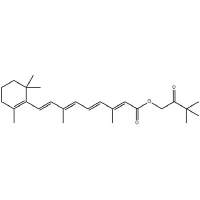
As a cosmetic raw materials supplier, we offer a wide range of high - quality ingredients for bubble bath formulations. For example, we supply Hydroxypinacolone Retinoate ; CAS NO.: 893412 - 73 - 2, which is a stable form of retinol with anti - aging properties. It can be added to bubble baths to help improve skin texture and reduce the appearance of fine lines and wrinkles.
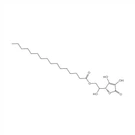
We also provide Ascorbyl Tetraisopalmitate (VCIP) ; CAS NO.: 183476 - 82 - 6, a highly stable form of vitamin C. It has antioxidant properties that can help protect the skin from free radical damage and brighten the skin tone.
Another popular product in our portfolio is α - Arbutin;CAS NO.84380 - 01 - 8. It is a natural skin - lightening agent that can be used in bubble baths to help reduce the appearance of dark spots and hyperpigmentation.
If you are in the business of manufacturing bubble baths or other cosmetic products, we would be delighted to discuss your raw material needs. Our team of experts can provide you with detailed information about our products, including their specifications, usage rates, and safety data. We are committed to providing high - quality raw materials at competitive prices and excellent customer service.
Contact us today to start a discussion about your procurement requirements and explore how our raw materials can enhance the quality of your bubble bath products.
References
- Cosmetic Science and Technology, Third Edition by Gerald A. Berger
- Handbook of Cosmetic Science and Technology, Second Edition by Philippe Barel, Alain Paye, and Howard I. Maibach
- The Chemistry of Cosmetics by Cheryl D. Lupton