


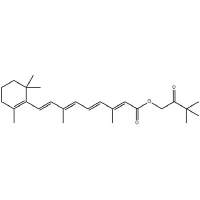


α - Arbutin, with the CAS NO. 84380 - 01 - 8, has long been recognized as a prominent ingredient in the cosmetic industry for its skin - whitening and anti - pigmentation effects. As a supplier of α - Arbutin, I have a deep understanding of its market status, especially in light of the European Union's stringent cosmetic regulations. In this blog, I'll explore the current status of α - Arbutin within the framework of EU cosmetic regulations.
The Attractions of α - Arbutin in Cosmetics
α - Arbutin is a derivate of hydroquinone, and compared to its counterpart β - arbutin, it has a more significant inhibitory effect on tyrosinase, a key enzyme in the melanin synthesis pathway. By effectively suppressing tyrosinase activity, α - Arbutin can reduce the production of melanin, which helps to fade dark spots, hyperpigmentation, and even out skin tone. This makes it a highly sought - after ingredient in various skin - care products such as creams, lotions, serums, and masks.
In the global cosmetic market, α - Arbutin is valued for its safety and efficacy. Unlike some other skin - whitening agents, α - Arbutin has a relatively low potential for side effects, which is crucial for consumers who are concerned about the long - term use of cosmetic ingredients.
EU Cosmetic Regulations: An Overview
The European Union has some of the strictest cosmetic regulations in the world, primarily governed by the Cosmetics Regulation (EC) No 1223/2009. This regulation aims to ensure the safety of cosmetic products placed on the EU market, protecting consumers' health while promoting fair competition in the industry.
Under this regulation, all cosmetic ingredients must be evaluated for their safety before they can be used in cosmetic products. The EU maintains a Cosmetic Products Notification Portal (CPNP), where manufacturers and importers are required to submit information about their cosmetic products, including the list of ingredients, their concentrations, and safety assessments.
Status of α - Arbutin in EU Cosmetic Regulations
α - Arbutin has been approved for use in cosmetic products in the European Union, but its use is subject to certain restrictions. According to the EU regulations, the maximum allowable concentration of α - Arbutin in cosmetic products is 2%. This limit is set to ensure the safety of consumers while still allowing for the effective use of α - Arbutin in achieving skin - whitening effects.
Manufacturers and formulators in the EU must adhere to this concentration limit when using α - Arbutin in their products. Failure to comply with these regulations can result in penalties, including product recalls and fines. Moreover, products containing α - Arbutin must also undergo proper safety assessments to demonstrate that they meet the overall safety requirements of the EU Cosmetics Regulation.
Safety Assessments and Research
The safety of α - Arbutin has been the subject of extensive research. Multiple studies have shown that at the permitted concentration levels in the EU, α - Arbutin is generally well - tolerated by the skin and has a low risk of adverse reactions. However, as with any cosmetic ingredient, individual sensitivities can occur, and some people may experience mild skin irritation.
The European Commission's Scientific Committee on Consumer Safety (SCCS) is responsible for evaluating the safety of cosmetic ingredients in the EU. Their assessments are based on scientific evidence from various sources, including in - vitro studies, animal studies, and human clinical trials. The SCCS has reviewed the safety of α - Arbutin and determined that, when used within the specified concentration limits, it is safe for use in cosmetic products.
Market Trends and Alternatives
In the EU cosmetic market, products containing α - Arbutin are quite popular, especially among consumers who are looking for natural and effective skin - whitening solutions. However, due to the regulatory restrictions on α - Arbutin, some manufacturers may explore alternative ingredients.


For example, Hesperetin 7 - O - glucoside;CAS NO.31712 - 49 - 9 is an ingredient that has shown some potential in skin - lightening applications. It can help to inhibit the formation of melanin through different pathways. Another alternative is Ascorbyl Glucoside;CAS NO.129499 - 78 - 1, a stable form of vitamin C that can also reduce the production of melanin and has antioxidant properties.
Gotu Kola P.E.(80% Triterpenes) ; CAS NO.: 16830 - 15 - 2 is known for its skin - healing and anti - inflammatory properties, which can be beneficial in combination with skin - whitening ingredients. Prunin;CAS NO.529 - 55 - 5 and Pro - xylane;CAS NO.439685 - 79 - 7 are other ingredients that may be used in the formulation of skin - care products to enhance their overall performance.
Our Services as a Supplier
As a reliable supplier of α - Arbutin, we are well - aware of the EU cosmetic regulations. We ensure that our α - Arbutin product meets all the safety and quality requirements set by the EU. Our production process is strictly controlled to maintain the purity and stability of α - Arbutin.
We also provide comprehensive documentation to our customers in the EU, including safety data sheets, certificates of analysis, and compliance statements. This helps our customers to comply with the EU's regulatory requirements when using our α - Arbutin in their cosmetic products.
If you are a cosmetic manufacturer or formulator in the EU and are interested in sourcing high - quality α - Arbutin for your products, we'd be more than happy to assist you. Our team of experts can provide you with detailed information about the product, its applications, and any regulatory compliance issues. Contact us to start the procurement negotiation process and let's work together to create innovative and compliant cosmetic products.
References
- Cosmetics Regulation (EC) No 1223/2009 of the European Parliament and of the Council of 30 November 2009.
- Scientific Committee on Consumer Safety (SCCS) opinions on cosmetic ingredients.
- Various scientific research papers on the safety and efficacy of α - Arbutin in cosmetics.