



Hey there! As a supplier of wholesale cosmetic raw materials, I often get asked about the restrictions on using chemical - based ones. Let's dig into this topic and clear up some of the confusion.
First off, it's important to understand that the use of chemical - based wholesale cosmetic raw materials isn't a free - for - all. Governments and international bodies have set up regulations to ensure the safety of consumers. These regulations vary from country to country, but they generally aim to protect people from potentially harmful substances.
For instance, in the European Union, the Cosmetics Regulation (EC) No 1223/2009 is a key piece of legislation. It lists substances that are prohibited, restricted, or allowed with certain conditions in cosmetics. The prohibited list includes substances that are known to be highly toxic, carcinogenic, or mutagenic. If you're using chemical - based raw materials in cosmetics for the EU market, you've got to make sure they're not on this list.
In the United States, the Food and Drug Administration (FDA) has its own set of rules. The FDA doesn't pre - approve cosmetics, but it does regulate the safety of cosmetic ingredients. They can take action against products that are found to be unsafe. Some chemicals, like certain heavy metals, are restricted because they can pose health risks, especially with long - term exposure.
Now, let's talk about some specific raw materials. Take Ectoine;CAS NO.96702 - 03 - 3. Ectoine is a natural amino acid derivative that's used in cosmetics for its moisturizing and protective properties. It's generally considered safe, but that doesn't mean it's completely free from regulatory scrutiny. You still need to ensure that the sourcing and production of Ectoine meet the relevant safety standards.
Another one is Prunin;CAS NO.529 - 55 - 5. Prunin is a flavonoid that has antioxidant properties and is used in some skin - care products. When using Prunin in cosmetics, you need to check if there are any restrictions on its concentration or purity levels. Some regulations might limit the amount of a particular ingredient in a product to avoid potential side effects.
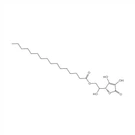
Ascorbyl Tetraisopalmitate (VCIP) ; CAS NO.: 183476 - 82 - 6 is a stable form of vitamin C. It's popular in anti - aging cosmetics because of its ability to fight free radicals. But again, you've got to follow the rules. There could be requirements regarding its stability testing, labeling, and how it's combined with other ingredients.
When it comes to sourcing chemical - based wholesale cosmetic raw materials, you need to work with reliable suppliers. A good supplier will have all the necessary documentation, like safety data sheets (SDS), which provide information about the chemical's properties, hazards, and handling instructions. They should also be able to tell you about the regulatory compliance of their products.
One of the challenges in dealing with these restrictions is keeping up with the changes. Regulations are constantly evolving as new research comes out about the safety of different chemicals. For example, a substance that was considered safe a few years ago might be found to have some potential long - term health effects, and then the regulations could change.
As a supplier, I make it my job to stay on top of these changes. I work closely with regulatory experts and industry associations to ensure that the raw materials I offer are compliant. I also provide my customers with the latest information so they can make informed decisions about their cosmetic formulations.
If you're a cosmetic manufacturer, it's crucial to do your own due diligence. You need to test your products thoroughly to make sure they meet all the relevant safety and regulatory requirements. This might involve in - house testing or working with independent laboratories.
In addition to safety regulations, there are also environmental considerations. Some chemical - based raw materials can have a negative impact on the environment. For example, certain chemicals can be persistent in the environment, bioaccumulate in organisms, or be toxic to aquatic life. So, there's a growing trend towards using more sustainable and environmentally friendly raw materials in the cosmetics industry.
Despite all these restrictions, the use of chemical - based wholesale cosmetic raw materials still offers a lot of benefits. They can provide specific functions, like UV protection, anti - microbial properties, or color and fragrance. And with proper management and compliance, they can be used safely and effectively in cosmetic products.
So, if you're in the market for high - quality, compliant wholesale cosmetic raw materials, I'm here to help. Whether you're looking for Ectoine, Prunin, Ascorbyl Tetraisopalmitate (VCIP), or other chemical - based ingredients, I can offer you products that meet the highest standards. Just reach out to start a conversation about your specific needs, and we can work together to find the best solutions for your cosmetic formulations.
References


- Cosmetics Regulation (EC) No 1223/2009, European Union
- Food and Drug Administration (FDA), United States