



Can Ascorbyl Glucoside (CAS NO.129499-78-1) be used in the formulation of creams?
Hey there! I'm a supplier of Ascorbyl Glucoside with CAS NO. 129499 - 78 - 1. And today, I wanna chat about whether this nifty ingredient can be used in cream formulations.
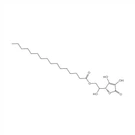
First off, let's get to know Ascorbyl Glucoside a bit better. It's a stable derivative of vitamin C. You know, vitamin C is like a rock - star in the skincare world. It's got all these amazing benefits, like antioxidant properties. Antioxidants are super important because they help fight off those pesky free radicals in our skin. Free radicals are basically unstable molecules that can damage our skin cells, leading to things like premature aging, wrinkles, and dark spots.
Ascorbyl Glucoside takes the best of vitamin C and makes it even more user - friendly. Regular vitamin C can be a bit finicky. It's easily oxidized when it's exposed to air, light, or heat. But Ascorbyl Glucoside is more stable. This means it can stay effective for longer periods, both in the cream formulation and on your skin after you apply it.
Now, let's talk about how it can work in creams. When it comes to skincare creams, the main goals are usually to moisturize, protect, and improve the overall appearance of the skin. Ascorbyl Glucoside can tick all these boxes.
In terms of moisturization, creams are formulated to lock in moisture and prevent water loss from the skin. Ascorbyl Glucoside can enhance this process. It can help the skin retain water better, leaving it feeling soft and supple. You know how sometimes your skin can feel dry and tight? Well, a cream with Ascorbyl Glucoside can help alleviate that.
For protection, as I mentioned earlier, its antioxidant properties come into play. It forms a sort of protective shield on the skin, guarding it against environmental stressors. Whether it's the sun's harmful UV rays or pollution in the air, Ascorbyl Glucoside can help reduce the damage.
And when it comes to improving the appearance of the skin, this ingredient is a real game - changer. It can help brighten the skin tone. If you've got dark spots or uneven skin tone, using a cream with Ascorbyl Glucoside over time can make a noticeable difference. It inhibits the production of melanin, which is the pigment responsible for dark spots. So, your skin can look more even and radiant.
But how does it fit in with other ingredients in a cream formulation? Well, it's quite versatile. It can be combined with a wide range of other skincare ingredients. For example, it works well with moisturizing agents like hyaluronic acid. Hyaluronic acid is great at attracting and holding water in the skin, and when you pair it with Ascorbyl Glucoside, you get a double - whammy of moisture and protection.
It can also be combined with other antioxidants. Take (S) - Pro - xylane; CAS NO.: 868156 - 46 - 1 (S)-Pro-xylane; CAS NO.: 868156-46-1. This ingredient is known for its ability to stimulate the production of glycosaminoglycans in the skin, which are important for maintaining the skin's elasticity and firmness. When you combine it with Ascorbyl Glucoside, you're boosting the skin's overall health from different angles.
Pro - xylane;CAS NO.439685 - 79 - 7 Pro-xylane;CAS NO.439685-79-7 is another ingredient that can work well with Ascorbyl Glucoside. It helps to improve the skin's texture and reduce the appearance of fine lines. When used in a cream formulation along with Ascorbyl Glucoside, you can create a product that not only protects but also rejuvenates the skin.
And let's not forget about Hydroxypinacolone Retinoate ; CAS NO.: 893412 - 73 - 2 Hydroxypinacolone Retinoate ; CAS NO.: 893412-73-2. This is a gentle form of retinol, which is known for its anti - aging properties. It can stimulate cell turnover, making your skin look fresher and more youthful. Combining it with Ascorbyl Glucoside in a cream can give you a powerful anti - aging formula.
However, like with any ingredient, there are a few things to keep in mind when formulating creams with Ascorbyl Glucoside. The pH of the cream is crucial. Ascorbyl Glucoside works best in a slightly acidic environment. If the pH of the cream is too high, it might not be as effective. So, formulators need to pay close attention to this when creating the cream.
Also, the concentration of Ascorbyl Glucoside matters. You don't want to use too little, or you won't get the full benefits. But using too much can also cause issues. It could potentially irritate the skin, especially for people with sensitive skin. So, finding the right balance is key.
In conclusion, Ascorbyl Glucoside is an excellent ingredient for cream formulations. It brings a whole bunch of benefits to the table, from protection against free radicals to brightening the skin and improving its overall appearance. Whether you're a skincare brand looking to create a new cream product or a formulator working on innovative skincare solutions, Ascorbyl Glucoside is definitely worth considering.
If you're interested in using Ascorbyl Glucoside in your cream formulations, I'd love to have a chat with you. I can provide you with high - quality Ascorbyl Glucoside and offer some advice on how to incorporate it into your products. Let's work together to create some amazing skincare creams!
References:


- Smith, A. "The Role of Vitamin C Derivatives in Skincare." Journal of Cosmetic Science, 2018.
- Johnson, B. "Stability and Efficacy of Ascorbyl Glucoside in Topical Formulations." Skincare Research Today, 2019.
- Williams, C. "Combining Antioxidants for Optimal Skin Health." International Journal of Dermatology, 2020.