



Hey there! As a supplier of Ascorbyl Palmitate (CAS NO. 137 - 66 - 6), I often get asked if it can be used in combination with other antioxidants. Well, let's dive right into this topic and explore the possibilities.
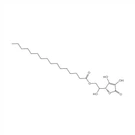
First off, what's Ascorbyl Palmitate? It's a fat - soluble form of vitamin C. Vitamin C is well - known for its antioxidant properties, but it can be a bit unstable in its regular form. Ascorbyl Palmitate solves this problem by being more stable, especially in oily or fatty environments. This makes it a popular choice in various industries, like cosmetics and food.
Now, let's talk about combining it with other antioxidants. The short answer is yes, Ascorbyl Palmitate can be used in combination with other antioxidants, and in many cases, it's a great idea!
One reason for combining antioxidants is the concept of synergistic effects. Different antioxidants work in different ways. When you combine them, they can work together to provide better protection against oxidative stress. Oxidative stress is a big deal because it can damage cells, proteins, and DNA, leading to all sorts of problems like aging, inflammation, and even diseases.


Let's look at some common antioxidants that can be paired with Ascorbyl Palmitate.
Alpha - Glucosyl Hesperidin; CAS NO.: 161713 - 86 - 6
Alpha - Glucosyl Hesperidin; CAS NO.: 161713 - 86 - 6 is a flavonoid derivative. Flavonoids are a group of plant compounds that have antioxidant and anti - inflammatory properties. When combined with Ascorbyl Palmitate, Alpha - Glucosyl Hesperidin can enhance the overall antioxidant capacity. It can help scavenge free radicals in different parts of the cell compared to Ascorbyl Palmitate. This means they can cover more ground in protecting the cells from oxidative damage.
In the cosmetic industry, this combination can be a real game - changer. It can help improve skin texture, reduce the appearance of fine lines and wrinkles, and protect the skin from environmental stressors like UV rays and pollution. For example, in a moisturizer, Ascorbyl Palmitate can work in the oily phase to protect the lipids in the skin, while Alpha - Glucosyl Hesperidin can work in the aqueous phase to protect other components of the skin cells.
Ceramides Mixture Ⅲ; CAS NO. 100403 - 19 - 8
Ceramides Mixture Ⅲ; CAS NO. 100403 - 19 - 8 is another interesting option to combine with Ascorbyl Palmitate. Ceramides are lipids that are naturally present in the skin. They play a crucial role in maintaining the skin's barrier function. When the skin's barrier is strong, it can better protect itself from external factors and prevent moisture loss.
Ascorbyl Palmitate, with its antioxidant properties, can protect the ceramides from oxidation. Oxidized ceramides can't function properly, which can lead to a weakened skin barrier. By combining Ascorbyl Palmitate with Ceramides Mixture Ⅲ, you can not only protect the ceramides but also enhance the overall antioxidant protection of the skin. This combination can be used in products like creams and serums to keep the skin hydrated, healthy, and looking its best.
α - Arbutin; CAS NO. 84380 - 01 - 8
α - Arbutin; CAS NO. 84380 - 01 - 8 is known for its skin - lightening properties. It works by inhibiting the enzyme tyrosinase, which is involved in the production of melanin. When combined with Ascorbyl Palmitate, the antioxidant can protect the α - Arbutin from oxidation. Oxidation can reduce the effectiveness of α - Arbutin, so having Ascorbyl Palmitate around can help maintain its potency.
In addition, Ascorbyl Palmitate can also contribute to the overall health of the skin. It can help reduce inflammation, which is often associated with skin pigmentation issues. So, this combination can be very effective in products aimed at improving skin tone and reducing dark spots.
Considerations when combining antioxidants
While combining Ascorbyl Palmitate with other antioxidants can be beneficial, there are a few things to keep in mind.
First, you need to consider the compatibility of the antioxidants. Some antioxidants may react with each other in ways that reduce their effectiveness or even create unwanted by - products. It's important to do some research or conduct small - scale tests to make sure the combination works well.
Second, the concentration of each antioxidant matters. Using too much of one antioxidant and too little of another may not give you the desired results. You need to find the right balance to achieve the best synergistic effects.
In the food industry, combining Ascorbyl Palmitate with other antioxidants can also be useful. For example, in oils and fats, it can be combined with tocopherols (vitamin E) to prevent rancidity. Tocopherols work well in the lipid phase, just like Ascorbyl Palmitate, but they have different mechanisms of action. Together, they can extend the shelf - life of the products and maintain their quality.
So, as you can see, Ascorbyl Palmitate has a lot of potential when it comes to being combined with other antioxidants. Whether you're in the cosmetic or food industry, there are many opportunities to create products with enhanced antioxidant protection.
If you're interested in using Ascorbyl Palmitate or exploring combinations with other antioxidants, feel free to reach out. We're here to help you find the best solutions for your products. Whether you need more information, samples, or want to discuss your specific requirements, don't hesitate to get in touch. We can work together to create products that stand out in the market.
References
- Halliwell, B., & Gutteridge, J. M. C. (2015). Free Radicals in Biology and Medicine. Oxford University Press.
- Cosmetic Science and Technology books that cover antioxidant mechanisms and combinations.
- Industry research papers on the use of Ascorbyl Palmitate and related antioxidants in cosmetics and food.