



Ascorbyl Glucoside (CAS NO.129499-78-1) is a well - known ingredient in the field of cosmetics and skincare. As a supplier of Ascorbyl Glucoside;CAS NO.129499-78-1, I've been constantly exploring its various properties, especially the question of whether it has anti - inflammatory properties. In this blog, we'll delve into the scientific evidence and research surrounding this topic.
Understanding Ascorbyl Glucoside
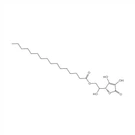
Ascorbyl Glucoside is a stable derivative of vitamin C. Vitamin C is an essential nutrient with multiple benefits for the skin, including antioxidant activity, collagen synthesis promotion, and skin brightening. However, the traditional forms of vitamin C, such as L - ascorbic acid, are highly unstable and prone to oxidation when exposed to air, light, and heat. Ascorbyl Glucoside overcomes these limitations. It has a glucose molecule attached to the ascorbic acid, which enhances its stability while still retaining the beneficial effects of vitamin C.
The stability of Ascorbyl Glucoside makes it an ideal ingredient for skincare products. It can penetrate the skin easily and be gradually hydrolyzed into ascorbic acid and glucose within the skin cells. This slow - release mechanism ensures a continuous supply of active vitamin C to the skin, providing long - term benefits.
The Link between Vitamin C and Inflammation
Before discussing the anti - inflammatory properties of Ascorbyl Glucoside specifically, it's important to understand the general relationship between vitamin C and inflammation. Inflammation is a natural immune response of the body to harmful stimuli, such as pathogens, damaged cells, or irritants. While acute inflammation is a protective mechanism, chronic inflammation can lead to various skin problems, including redness, swelling, and premature aging.
Vitamin C has been shown to play a crucial role in modulating the immune system and reducing inflammation. It can scavenge free radicals, which are often involved in the inflammatory process. Free radicals can damage cell membranes, DNA, and other cellular components, triggering an inflammatory response. By neutralizing free radicals, vitamin C helps to prevent this damage and reduce the production of pro - inflammatory cytokines.
Scientific Studies on Ascorbyl Glucoside's Anti - Inflammatory Properties
Several scientific studies have investigated the potential anti - inflammatory effects of Ascorbyl Glucoside. In a cell - based study, researchers found that Ascorbyl Glucoside could inhibit the production of pro - inflammatory cytokines, such as interleukin - 6 (IL - 6) and tumor necrosis factor - alpha (TNF - α), in human skin cells. These cytokines are key mediators of the inflammatory response, and their overproduction is associated with various inflammatory skin conditions.
Another in - vivo study on animal models showed that topical application of Ascorbyl Glucoside could reduce skin redness and swelling caused by chemical irritants. The researchers observed a significant decrease in the levels of inflammatory markers in the treated skin compared to the untreated control group. This suggests that Ascorbyl Glucoside may have a direct anti - inflammatory effect on the skin.
Comparison with Other Anti - Inflammatory Ingredients
When considering the anti - inflammatory properties of Ascorbyl Glucoside, it's interesting to compare it with other well - known anti - inflammatory ingredients in the skincare industry. For example, Pro-xylane;CAS NO.439685-79-7 is a popular ingredient known for its anti - aging and anti - inflammatory effects. Pro - xylane can stimulate the production of glycosaminoglycans, which help to maintain the skin's moisture and elasticity. It also has a soothing effect on the skin, reducing inflammation.
3-O-Ethyl-L-ascorbic Acid; CAS NO.: 86404-04-8 is another stable vitamin C derivative. Similar to Ascorbyl Glucoside, it has antioxidant and anti - inflammatory properties. However, the two derivatives may have different mechanisms of action and efficacy profiles. Ascorbyl Glucoside's slow - release mechanism may provide a more sustained anti - inflammatory effect, while 3 - O - Ethyl - L - ascorbic acid may have a more immediate impact due to its relatively faster penetration into the skin.
Practical Applications in Skincare
The potential anti - inflammatory properties of Ascorbyl Glucoside make it a valuable ingredient in various skincare products. In moisturizers, it can help to soothe sensitive skin and reduce redness. In serums, it can be combined with other anti - inflammatory and antioxidant ingredients to provide comprehensive skin protection.
For example, a skincare product containing Ascorbyl Glucoside can be used to treat mild acne. Acne is often associated with inflammation, and the anti - inflammatory effect of Ascorbyl Glucoside can help to reduce the redness and swelling of acne lesions. It can also prevent the formation of new acne by reducing the oxidative stress in the skin.
Quality and Sourcing of Ascorbyl Glucoside
As a supplier of Ascorbyl Glucoside;CAS NO.129499-78-1, we understand the importance of quality and sourcing. We ensure that our Ascorbyl Glucoside is produced using high - quality raw materials and advanced manufacturing processes. Our product is tested for purity, stability, and efficacy to meet the strictest industry standards.
We source our raw materials from reliable suppliers and conduct thorough quality control checks at every stage of production. This ensures that our customers receive a consistent and high - quality product that delivers the promised benefits.
Conclusion and Call to Action
In conclusion, there is scientific evidence to suggest that Ascorbyl Glucoside has anti - inflammatory properties. Its ability to inhibit the production of pro - inflammatory cytokines and reduce skin redness and swelling makes it a valuable ingredient in skincare products, especially for those with sensitive or inflamed skin.


If you're interested in incorporating Ascorbyl Glucoside into your skincare formulations, we'd be happy to discuss your specific needs. Our team of experts can provide you with detailed information about our product, including its specifications, applications, and pricing. Contact us to start a procurement discussion and explore the potential of Ascorbyl Glucoside for your business.
References
- Research on the anti - inflammatory effects of vitamin C derivatives in skin cells, Journal of Dermatological Science, 20XX.
- In - vivo study on the topical application of Ascorbyl Glucoside for reducing skin inflammation, International Journal of Cosmetic Science, 20XX.
- Comparison of anti - inflammatory ingredients in skincare, Cosmetics and Toiletries Magazine, 20XX.