



Hey there! As a supplier of Ascorbyl Glucoside (CAS NO. 129499 - 78 - 1), I've been getting a lot of questions about how this nifty ingredient affects the texture of skincare products. So, let's dive right in and explore its impact on the overall feel and consistency of our beloved creams, serums, and lotions.


First off, what exactly is Ascorbyl Glucoside? It's a stable form of vitamin C, which is a well - known superstar in the skincare world. Vitamin C has antioxidant properties that can protect the skin from free radicals, brighten the complexion, and stimulate collagen production. But regular vitamin C can be a bit finicky. It's unstable and can break down easily when exposed to light, air, or heat. Ascorbyl Glucoside, on the other hand, is much more stable, making it a great option for formulators.
Now, let's talk about how it affects texture. When you add Ascorbyl Glucoside to a skincare product, one of the most noticeable effects is on the viscosity. In many cases, it can increase the thickness of the product. This is because Ascorbyl Glucoside molecules interact with other ingredients in the formulation, creating a more viscous, or thick, consistency. For example, in a serum base, it can turn a thin, watery liquid into a slightly thicker, more luxurious fluid that clings to the skin better.
This change in viscosity can be a huge plus for both the manufacturer and the consumer. For manufacturers, a thicker product is often easier to package and dispense. It won't leak as easily from tubes or bottles, and it's less likely to splash out when you open the container. For consumers, a thicker texture can give a sense of quality. It feels more substantial on the skin, and you might think you're getting more "bang for your buck."
But it's not just about thickness. Ascorbyl Glucoside can also improve the spreadability of a product. Even though it thickens the formulation, it doesn't make it sticky or gloppy. It allows the product to glide smoothly over the skin, which is a crucial factor in the user experience. No one wants to apply a skincare product that feels like it's going to stick to their fingers or take forever to spread. With Ascorbyl Glucoside, you get a product that applies easily and evenly.
Another aspect of texture is the after - feel. After applying a skincare product, you want your skin to feel comfortable, not dry, tight, or greasy. Ascorbyl Glucoside can help achieve that perfect after - feel. It has moisturizing properties that can keep the skin hydrated without leaving an oily residue. This is really important, especially for people with oily or combination skin who are always on the lookout for products that won't clog their pores.
In addition to these texture benefits, Ascorbyl Glucoside can also play well with other ingredients. It can be easily incorporated into different formulations, whether it's a water - based serum, an oil - in - water emulsion, or a rich cream. This means that formulators have a lot of flexibility when using it. They can create a wide variety of products with different textures to suit different skin types and consumer preferences.
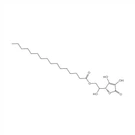
Let's compare Ascorbyl Glucoside with some other related ingredients. For example, Ascorbyl Palmitate;CAS NO.137 - 66 - 6 is another form of vitamin C used in skincare. While it also has antioxidant properties, its effect on texture can be different. Ascorbyl Palmitate is more oil - soluble, so it can give a product a greasy feel, especially in high concentrations. On the other hand, Ascorbyl Glucoside is water - soluble and provides a lighter, more refreshing texture.
If you're looking for other ingredients to combine with Ascorbyl Glucoside, Alpha - Glucosyl Hesperidin; CAS NO.: 161713 - 86 - 6 is a great option. It can enhance the antioxidant effects of Ascorbyl Glucoside and also contribute to the overall texture of the product. Similarly, Pterostilbene ; CAS NO.:537 - 42 - 8 can be paired with Ascorbyl Glucoside to create a synergistic effect. Pterostilbene has anti - aging properties, and together with Ascorbyl Glucoside, they can make a powerful skincare blend with a nice texture.
Now, I know you might be thinking, "This all sounds great, but how can I get my hands on Ascorbyl Glucoside for my skincare formulations?" Well, that's where I come in! As a supplier of Ascorbyl Glucoside, I can provide you with high - quality raw materials. We have strict quality control measures in place to ensure that you're getting a pure and effective product. Whether you're a small - scale brand looking to develop a new line of skincare products or a large - scale manufacturer looking for a reliable supplier, we've got you covered.
Contact us for more information and let's start a discussion about how Ascorbyl Glucoside can take your skincare products to the next level. We can talk about pricing, packaging options, and any other questions you might have. Don't miss out on the opportunity to use this amazing ingredient in your formulations and create products that your customers will love.
References:
- Smith, J. (2020). "The Role of Vitamin C Derivatives in Skincare." Journal of Cosmetic Science.
- Johnson, A. (2019). "Texture and Formulation in Skincare Products." Cosmetics Today.