



Hey there! As a supplier of cosmetic raw materials, I often get asked about the ingredients that go into making hair waxes. Today, I'm gonna break down the key raw materials that are commonly used in the production of hair waxes, giving you a better understanding of what makes these styling products tick.
Base Oils
One of the fundamental components of hair wax is the base oil. These oils serve as the foundation, providing the wax with its texture and helping to keep your hair moisturized. There are several types of base oils that are popular in hair wax formulations:
- Mineral Oil: This is a common and affordable base oil. It's derived from petroleum and has a smooth, oily texture. Mineral oil forms a protective barrier on the hair, preventing moisture loss. However, some people prefer natural alternatives because it can feel a bit heavy and may not be as breathable as other oils.
- Jojoba Oil: Jojoba oil is a favorite in the natural cosmetic world. It closely resembles the sebum produced by our skin, making it easily absorbed by the hair. It's rich in vitamins and minerals, which can nourish the hair and scalp. Jojoba oil also has anti - inflammatory properties, which can be great for those with sensitive scalps.
- Coconut Oil: Known for its amazing moisturizing properties, coconut oil penetrates the hair shaft, preventing protein loss. It has a pleasant smell and can leave your hair feeling soft and shiny. Coconut oil is also solid at room temperature, which can contribute to the wax - like consistency of the hair wax.
Waxes
As the name suggests, waxes are a crucial part of hair wax products. They are responsible for providing the hold and shape to your hair.


- Beeswax: Beeswax is a natural wax produced by honeybees. It's a popular choice because it's all - natural and has a high melting point. Beeswax gives hair wax a firm hold and a smooth, creamy texture. It also has antibacterial properties, which can be beneficial for the scalp.
- Carnauba Wax: This is a very hard wax derived from the leaves of the carnauba palm. It's often used in combination with other waxes to increase the hardness and durability of the hair wax. Carnauba wax can give a high - shine finish to the hair, making it look sleek and well - groomed.
- Paraffin Wax: Paraffin wax is a petroleum - based wax. It's inexpensive and easy to work with. It can be used to adjust the melting point and consistency of the hair wax. However, like mineral oil, some people may prefer more natural alternatives.
Emulsifiers
Emulsifiers are used to combine the oil and water phases in hair wax formulations. This is important because most hair waxes are a combination of oil - based and water - based ingredients.
- Cetearyl Alcohol and Cetearyl Glucoside: This is a natural emulsifier system. It helps to create a stable emulsion, preventing the oil and water from separating. Cetearyl alcohol also contributes to the creamy texture of the hair wax.
- Polysorbate 20: It's a synthetic emulsifier that is widely used in the cosmetic industry. It has good emulsifying properties and can help to disperse other ingredients evenly throughout the hair wax.
Additives and Actives
These are the ingredients that can give hair wax additional benefits, such as conditioning, anti - dandruff, or UV protection.
- (S)-Pro - xylane; CAS NO.: 868156 - 46 - 1: Click here to learn more about (S)-Pro - xylane; CAS NO.: 868156 - 46 - 1. This ingredient can help to improve the elasticity and moisture retention of the hair. It works by stimulating the production of glycosaminoglycans in the hair follicles, which are important for maintaining healthy hair.
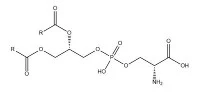
- Ceramides Mixture Ⅲ;CAS NO.100403 - 19 - 8: Check out Ceramides Mixture Ⅲ;CAS NO.100403 - 19 - 8. Ceramides are lipids that are naturally present in the hair. Adding a ceramides mixture to hair wax can help to repair the hair's protective barrier, reducing moisture loss and making the hair more resistant to damage.
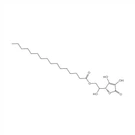
- Ascorbyl Glucoside;CAS NO.129499 - 78 - 1: Find out more about Ascorbyl Glucoside;CAS NO.129499 - 78 - 1. This is a stable form of vitamin C. It has antioxidant properties, which can protect the hair from free radical damage caused by environmental factors like UV rays and pollution.
Fragrances and Preservatives
Fragrances are added to hair wax to give it a pleasant smell. There are both natural and synthetic fragrances available. Natural fragrances can be derived from essential oils, while synthetic fragrances are created in a laboratory.
Preservatives are necessary to extend the shelf life of the hair wax. They prevent the growth of bacteria, fungi, and other microorganisms. Common preservatives include parabens, phenoxyethanol, and potassium sorbate. However, there is a growing trend towards using more natural preservatives, such as rosemary extract and grapefruit seed extract.
How These Ingredients Work Together
Making hair wax is like a science experiment. The base oils provide the foundation and moisture, the waxes give the hold, the emulsifiers keep everything mixed, and the additives and actives add extra benefits. The fragrances and preservatives make the product more appealing and long - lasting.
For example, if you want a light - hold, natural hair wax, you might use jojoba oil as the base, beeswax for a gentle hold, and essential oils for fragrance. On the other hand, if you're looking for a high - shine, firm - hold wax, you could use a combination of carnauba wax, paraffin wax, and a synthetic emulsifier, along with some additives for UV protection.
Why Choose Our Cosmetic Raw Materials
As a cosmetic raw materials supplier, we offer high - quality ingredients for making hair waxes. Our products are sourced from reliable suppliers and are tested to meet strict quality standards. Whether you're a small - scale producer or a large cosmetic company, we can provide you with the right raw materials to create the perfect hair wax.
If you're interested in purchasing any of the raw materials mentioned in this blog, or if you have any questions about formulating hair waxes, don't hesitate to get in touch. We're here to help you bring your hair wax ideas to life.
References
- Cosmetic Ingredient Handbook, various editions
- Journal of Cosmetic Science, multiple issues
- Online resources on cosmetic chemistry and formulation